

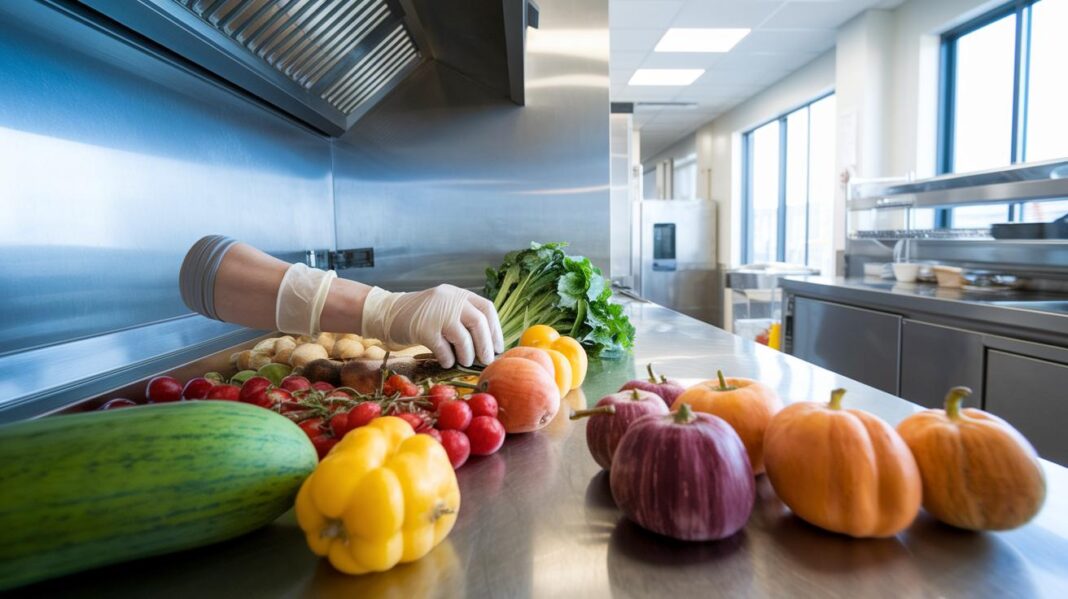

Have you ever thought about your kitchen gloves might be affecting food safety? Our hands can carry over 2 million germs, which means everyday meals might be at risk. Nitrile gloves form a strong barrier that stops germs quickly. They have FDA approval and are built to hold up against water, oils, and cleaning chemicals. Chefs rely on these gloves because they offer both strength and precision during every slice and stir. Their dependable performance plays a key role in keeping kitchens safe and clean.
How Nitrile Gloves Support Food Safety in Kitchens
Gloves act as a simple barrier in kitchens. Our hands can carry over 2 million germs, so using gloves is important for keeping food safe. Chefs and kitchen workers choose disposable nitrile gloves because they block bacteria and prevent cross-contamination. They are strong, resist water, oils, and cleaning chemicals, and still let you work with care during delicate food prep.
These gloves are approved by the FDA for food contact and have been tested for punctures, wear, and stretching. This means a chef can safely handle raw meats and gentle garnishes. Many say, "Choose powder-free disposable gloves that mix strength with the care needed for slicing a crisp apple." This choice helps lower the risk of foodborne illness while keeping kitchens hygienic.
Key food safety benefits of nitrile gloves include:
- A strong barrier against germs
- Resistance to water, oils, and chemicals
- Steady, precise movement during food prep
- Meeting FDA food contact standards
- Trusted performance in kitchens at home and in restaurants
Food Safety Standards and Certifications for Nitrile Gloves

Nitrile gloves used when handling food must pass a strict test for tiny defects. They are allowed an AQL (Acceptable Quality Level) of 2.5 or less, which means less than 25 pinhole defects per 1,000 gloves. This ensures that every glove creates a strong barrier against germs and chemicals. Manufacturers check each glove for punctures, wear, stretch, and tear resistance. For instance, a chef once said, "I choose gloves that meet strict AQL standards because even a small flaw can risk safety in our busy kitchen." Keeping these tiny defect limits in line is key to stopping germs from spreading during food preparation.
Before gloves go on store shelves, they also need to meet important government tests. They must earn FDA 510k approval, which checks that the gloves do not have harmful chemicals and can stand up to the work required in a kitchen. In Europe, gloves have to follow EN 1186 standards to make sure they stay food-safe even after lots of use. These certifications give both home cooks and professionals peace of mind, knowing that the gloves have passed reliable checks. Manufacturers avoid using powders – banned by the FDA in 2016 due to allergy risks – and colored gloves are made without any traces of latex proteins. Meeting these rules means you can trust the gloves to protect your food during prep, whether you're cooking at home or in a restaurant.
Proper Usage and Best Practices for Nitrile Gloves in Food Handling
Begin by washing your hands thoroughly and drying them completely before putting on your gloves. Clean, dry hands help protect against germs and ensure a safe barrier when handling food. Think of it like wiping a chalkboard clean before you write on it, you need a fresh start.
Next, pick gloves made with the right thickness for what you are doing. If you're handling delicate fruits or vegetables, look for gloves that are 2.5–3.5 mil thick. These gloves let you feel the texture of food for peeling, slicing, or garnishing without losing grip. For tasks involving grease or machinery, choose gloves that are built to resist oil and offer extra strength for repetitive work.
Follow these steps to keep food preparation areas safe:
- Wash and dry your hands completely before putting on gloves.
- Use powder-free nitrile gloves for baking and pastry work to prevent unwanted residues.
- Select gloves with a 2.5–3.5 mil thickness when you need the right balance of grip and sensitivity for handling produce.
- Change gloves between different food tasks. For example, switch gloves after touching raw meats before handling fresh produce to prevent cross-contamination.
- If you are working with greasy foods, make sure your gloves are designed to resist oil.
- Consider lightweight, breathable gloves if you stand for long periods to lessen fatigue.
- Always check your gloves for any visible defects to ensure they work as intended.
By sticking to these guidelines, both professional kitchen staff and home cooks can help keep food safe and reduce the chances of foodborne illnesses.
nitrile gloves food safety elevate impeccable hygiene

Nitrile gloves offer a safe, non-latex option in kitchens. They help protect against allergic reactions that some people have with latex. These gloves give a tight, secure fit and block chemicals effectively. This makes them a strong choice when working with cleaning products, oils, or raw meats.
Vinyl gloves might seem like a budget-friendly option, but they can tear easily and don’t stand up to harsh chemicals. Polyethylene gloves feel sensitive to touch but they often don’t fit well and can wear out too quickly. Powdered gloves have been removed from use so that today’s food service meets strict safety and quality standards.
When picking gloves for food prep, nitrile gloves deliver:
- Allergen-free protection with a trusted barrier
- Steady chemical resistance for everyday tasks
- Strong durability that reduces tears while keeping fingers nimble
Supply and Sustainable Disposal of Nitrile Gloves in Food Service
Foodservice businesses need a steady supply of nitrile gloves to keep kitchens and dining areas clean. Today, many suppliers offer bulk buying so kitchens always have enough gloves without overspending. Buying in bulk means fewer orders and better cost control. Top suppliers in Europe provide certified food-grade gloves that meet strict standards for chemical resistance, strength, and safety when in contact with food.
Remember, nitrile gloves are for one-time use only. After touching raw food or allergens, they should be tossed out immediately. Since there are few recycling options, these gloves usually end up in general waste. That is why it's important for foodservice operations to follow local waste rules. Doing so protects both public health and our environment.
For better sustainability and cost savings, here are some tips:
- Buy gloves in bulk to cut down on packaging waste
- Keep records of your orders to track inventory and waste patterns
- Follow local regulations to dispose of used gloves safely
- Look for supplier programs that focus on environmental sustainability
By following these guidelines, kitchens can stay stocked with reliable, certified gloves while also taking care of the environment.
Final Words
In the action, the article examined how nitrile gloves food safety plays a key role in kitchens by providing a strong barrier against contaminants. It broke down essential standards like AQL, FDA 510k, and proper usage techniques, while comparing nitrile options with other alternatives. The blog also touched on responsible supply and disposal practices. This hands-on review gives clarity on solid food safety practices and highlights the benefits of using these gloves, leaving you equipped with practical guidance for both home cooking and professional food handling. Enjoy your safer culinary ventures!
FAQ
Are blue nitrile gloves food safe?
Blue nitrile gloves are safe when they are manufactured following food safety standards and FDA guidelines, providing a reliable barrier during food handling.
Nitrile gloves food safety reddit
Discussions on Reddit show nitrile gloves are favored in food settings for their durability and FDA approval, making them a trusted option to reduce foodborne illness risks.
Nitrile gloves food safety Costco
Nitrile gloves found at Costco meet food safety requirements, offering reliable protection for both home and commercial kitchens while keeping cost efficiency in mind.
Nitrile gloves food safety CVS
Nitrile gloves sold at CVS are designed for food handling and generally meet FDA standards, ensuring they serve as an effective barrier against contaminants.
Are black nitrile gloves food safe?
Black nitrile gloves are safe for food handling when they are FDA approved and free of harmful dyes, making them popular among chefs for their practicality.
Can you use medical gloves for food preparation?
Medical gloves can be used for food preparation if they meet food contact standards, but gloves specifically designed for culinary tasks are preferred for optimal safety.
Are vinyl gloves food safe?
Vinyl gloves are considered food safe for light tasks, but they tend to tear more easily than nitrile, so they might not be the best choice for all food handling needs.
Are medical grade nitrile gloves food safe?
Medical grade nitrile gloves are safe for food use when they carry appropriate FDA approval and certification, combining protection with durability in kitchen environments.
Are nitrile gloves safe to use with food?
Nitrile gloves provide a dependable barrier for food handling, blocking bacteria and chemicals while maintaining FDA approval and high performance standards.
Are Walmart Great Value nitrile gloves food safe?
Walmart Great Value nitrile gloves are generally produced to comply with food safety standards, making them a budget-friendly option for protecting food during preparation.
Why do chefs use black nitrile gloves?
Chefs choose black nitrile gloves because the darker color hides stains and they offer strong, durable protection against cross-contamination in busy kitchens.
When should you not use nitrile gloves?
Nitrile gloves should not be used for tasks involving harsh chemicals beyond their resistance capacity or if they show any signs of damage that could compromise food safety.