

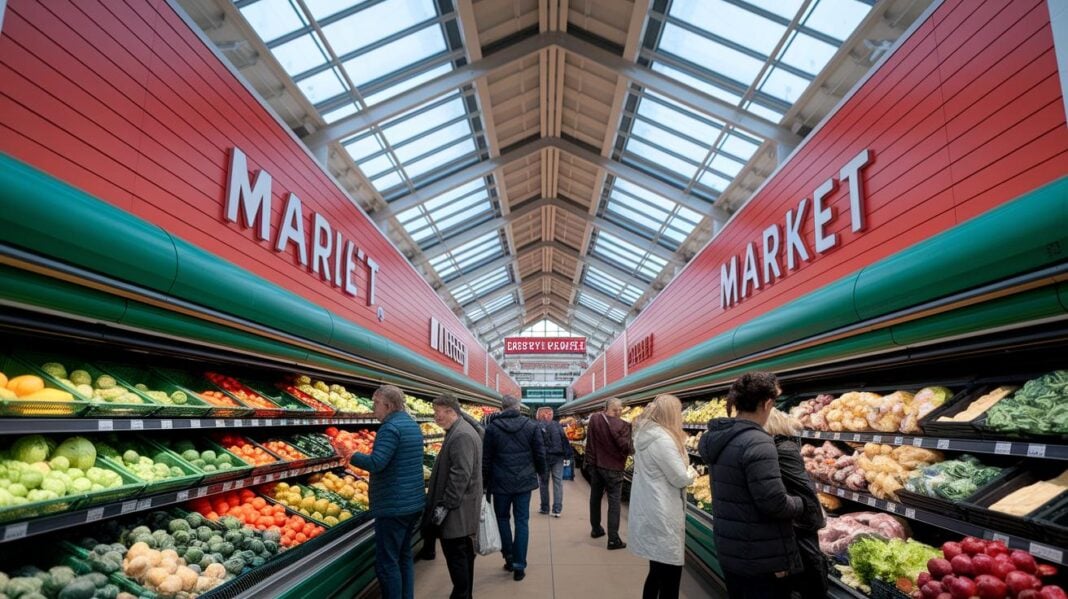

Have you ever thought your grocery run could be more fun than a mundane errand? Many stores are ditching old methods for smart, real-time tools that help cut costs. With rising prices and store brands now offering more value, shopping, whether online or in person, is becoming a smoother, friendlier experience. This shift promises quicker trips and better savings, making your next grocery visit feel refreshingly new.
Grocery Trends: Bright Market Outlook
The grocery world is changing fast. Top research shows that stores are leaving old ways behind for systems that track stock in real time while using smart technology. It’s not just about speed; retailers are tweaking operations to meet today’s shopper needs. They are investing in tools that make the experience smoother while juggling cost, quality, and convenience.
Shoppers are rethinking what they buy. Many now opt for easy purchases and overall value. Recent data reveals that local stores continue to enjoy strong spending because customers value community service and thoughtful pricing. With inflation on everyone’s mind, many turn to store brands to keep quality up without overspending. Some even pay extra for items that boost health and wellness.
Looking ahead to 2025, digital tools will play a bigger role. Industry leaders plan to use smart systems like AI to personalize shopping and enhance fulfillment. Stores that blend online and in-store data to craft tailored deals are set to stand out. This push toward digital change promises a future where tech and smart pricing shape the grocery experience.
Online Grocery Expansion and Digital Food Retail Transformation
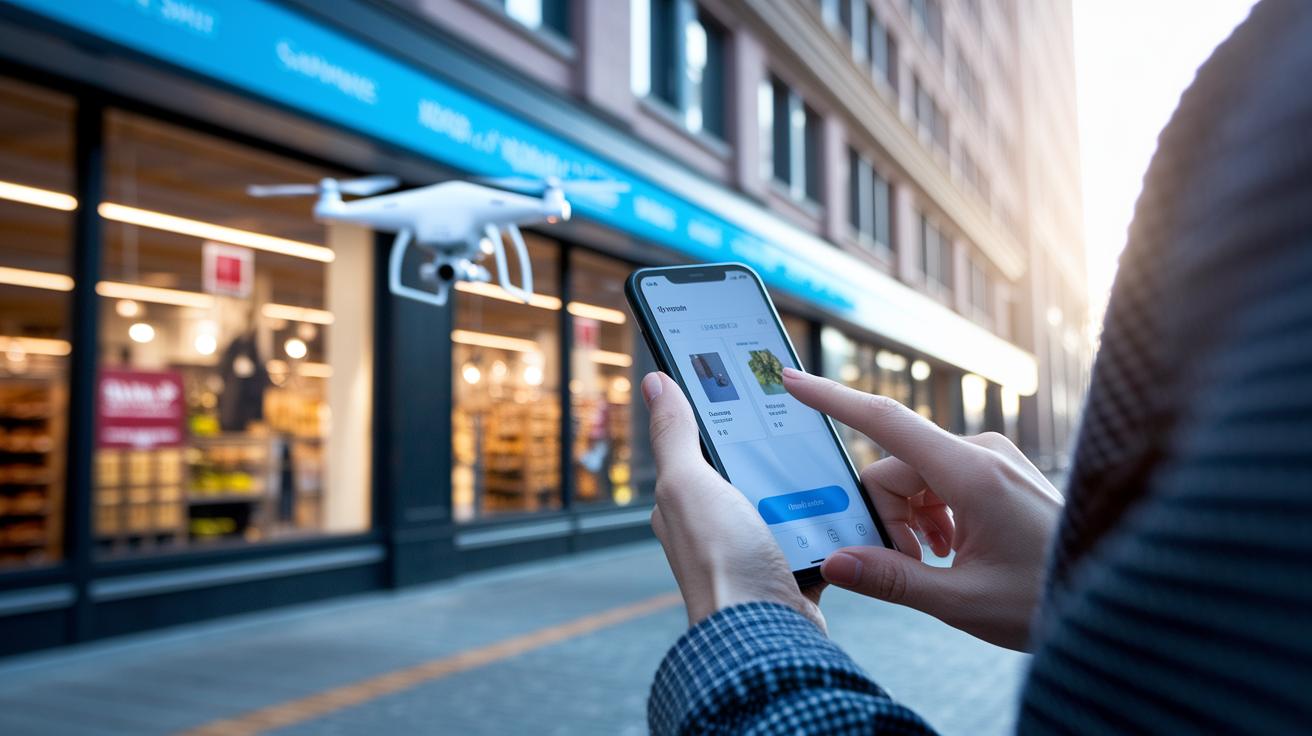
Digital channels are changing the way we shop for groceries. Thanks to rapid online growth and enticing delivery deals in 2024, stores are now using special delivery discounts to attract digital customers. Regional grocers are also launching their own online systems to gather customer information and offer personalized shopping experiences. This change not only makes buying easier but also boosts profits with new advertising models.
- Delivery discounts driving online growth
- New retail media revenue models emerging
- Strong investment in first-party e-commerce and order fulfillment
- Custom shopping experiences powered by data insights
More shoppers moving online is pushing grocers to rethink their old methods. Subscription services are now a fresh alternative to constant discount offers. By carefully using customer data, stores can tailor deals and connect better with buyers. In today’s competitive market, smart digital tactics and personalized touches are essential to meet changing expectations and keep pace with the industry.
Consumer Behavior Evolution in Grocery Trends
Inflation is changing the way people shop for groceries. With prices on the rise, many shoppers are looking for good deals. They are turning to store brands and generic items that offer similar quality at a lower price. Recent market data shows that these private label products are taking up more space on the shelves as consumers seek out value.
At the same time, more buyers are showing interest in health, wellness, and specialty items. Studies reveal that 82% of consumers now put wellness at the top of their priorities and are willing to spend extra money on sustainable, health-focused products. This trend suggests that even in a tight budget climate, many shoppers will invest in products that support their well-being.
Supply Chain Adaptations and Smart Inventory Trends
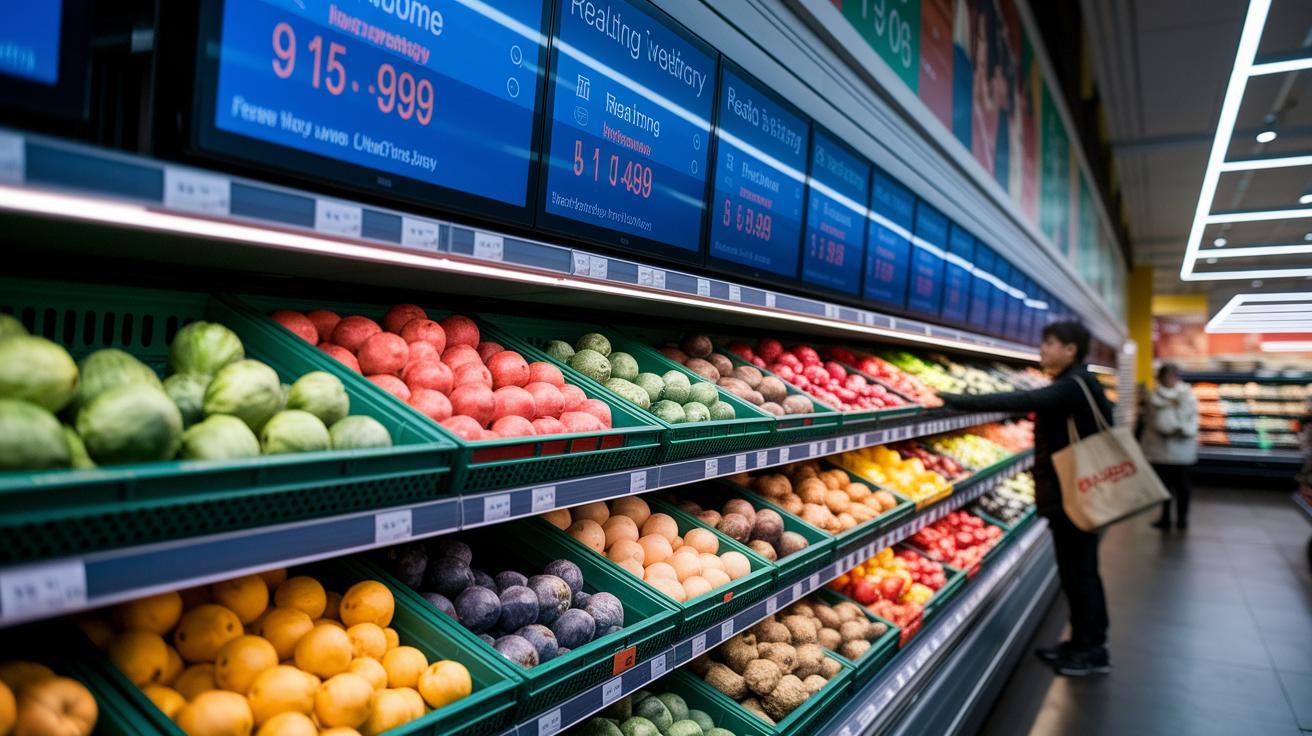
Grocers are under pressure as nearly 30% of food goes unused, with much of it spoiling right on the shelves. This waste affects profits and harms the environment. In response, stores are using smart systems with real-time tracking and forecasting to cut spoilage by as much as 20%. These tools help predict which items will sell and when, so orders can be adjusted to avoid overstock.
| Trend | Impact |
|---|---|
| Real-Time Inventory Tracking | Lowers spoilage by up to 20% |
| Demand Forecasting Algorithms | Helps stock the right amount |
| Automated Replenishment | Prevents items from running out |
Retailers are also pairing these systems with big-data tools to sharpen their supply chains. With digital monitoring built into daily operations, grocers can quickly adjust to shifts in what customers buy and when. This streamlined process reduces waste, keeps food fresh, and makes shopping better while supporting a more sustainable food retail future.
In-Store Technology Adoption and Modern Supermarket Design Trends
Self-checkout and cashier-free methods are changing the way we shop. Almost 75% of today's consumers choose these quick options, helping them avoid long waits. Imagine skipping a long line at your favorite grocery store by simply tapping to pay. This smarter approach saves time and keeps customers happy while cutting down costs for stores.
Mobile payments and contactless checkouts are growing fast too. Over 60% of U.S. supermarkets now let you pay by scanning your phone or card. This means no more fumbling for cash or coins. Picture a shopper effortlessly tapping their smartphone to settle the bill. This technology not only speeds up the process but also limits contact for those who care about staying healthy.
Supermarkets are also rethinking their layouts to serve busy shoppers better. New designs feature wider aisles and dedicated grab-and-go sections that let you find ready-to-eat meals quickly. Visualize a store where clear paths and neatly displayed foods make your shopping trip simple and fast.
Omnichannel and Curbside Pickup Trends in Grocery Retail
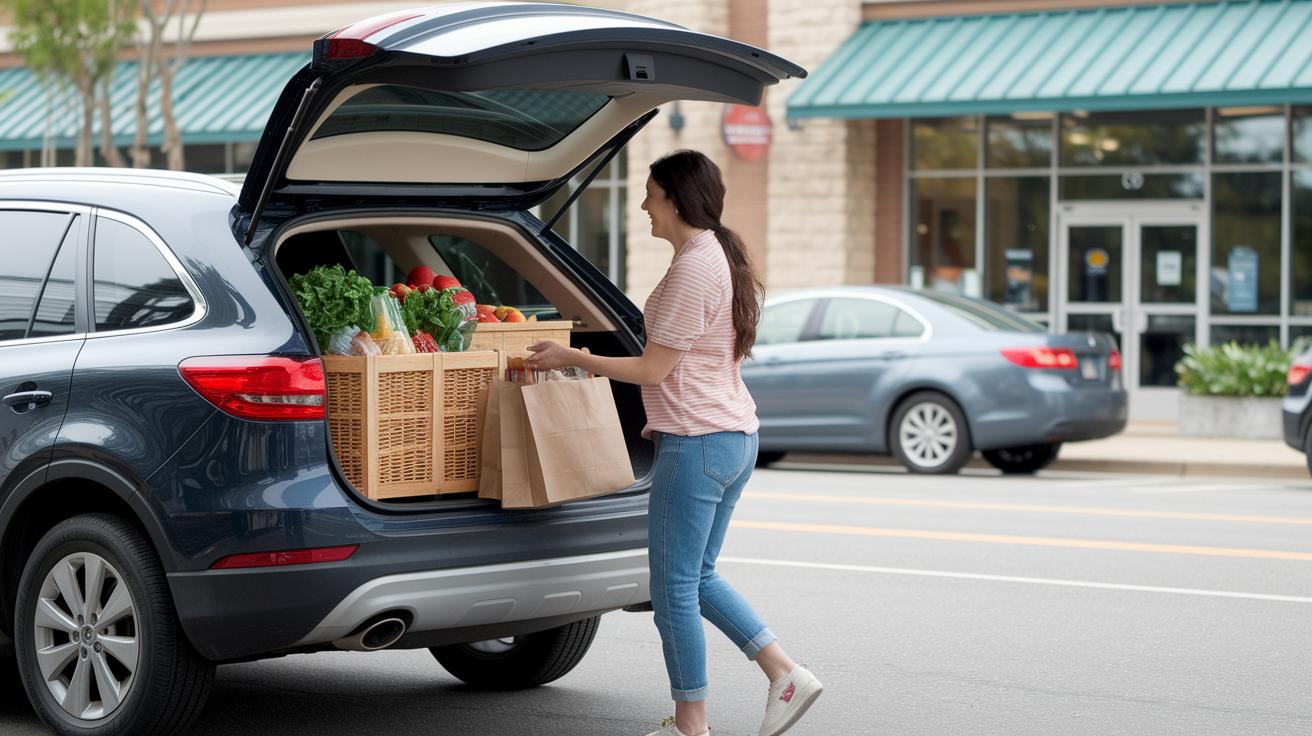
Curbside pickup and click-and-collect services are booming. Many stores have seen adoption jump by 35% from last year. They prepare your order ahead of time, so you can drive up, grab your groceries, and skip the long waits. This mix of online ordering and in-person pickup makes shopping faster and more straightforward.
Subscription-based home delivery is also changing the game. With a simple recurring fee, you get regular deliveries that build trust and save time. Retailers benefit too, enjoying better margins and stronger customer loyalty. This steady service helps them lower promotional costs and maintain a competitive edge in the market.
Sustainable and Private Label Growth in Grocery Trends
In 2023, more shoppers turned to store brands to keep costs down. Retailers saw private label sales jump by 7% as they offered quality products at friendlier prices. Grocers are launching smart promotions and setting attractive prices that help budget shoppers without cutting quality. At the same time, this trend gives smaller brands a chance to stand out while big chains improve their own store lines.
Sustainability is also a big focus. Stores are investing in eco-friendly packaging and aim to use 100% recyclable or compostable materials by 2025. Surveys show that 82% of consumers will pay extra for greener options. These efforts support environmental goals and meet the growing demand for organic and sustainable food, ensuring that shoppers can feel good about every purchase.
Future Forecast and Industry Innovation Analysis for Grocery Trends
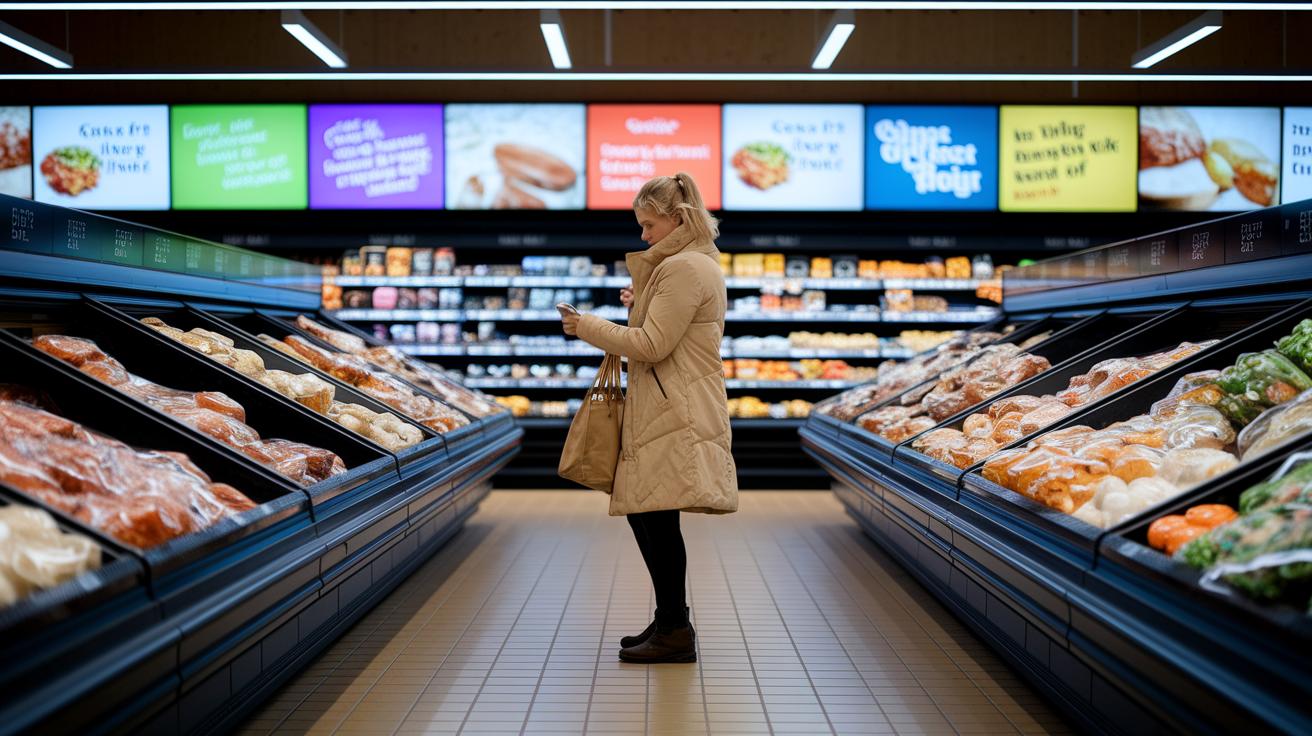
Over the next 6–12 months, grocery stores are testing fresh technology that could change the way we shop. For example, some stores are using artificial intelligence (software that learns from past behavior) to suggest products based on previous purchases. Retailers are also placing data-driven ads on in-store digital screens and mobile apps to create a more personal and engaging experience. In addition, smart shelves that monitor stock levels and help run promotions are being tried out. These early projects hint at a future where digital tools enhance shopping, keep costs steady, and offer a more dynamic experience.
Looking ahead to 2025 and beyond, we may see even more big changes in grocery shopping. Pilot programs for drone delivery in urban areas are gaining ground, promising faster service and improved efficiency. Automated delivery systems could reduce human touchpoints and cut wait times significantly. At the same time, hyperlocal sourcing might link local producers directly with stores, while augmented reality could soon let shoppers see products come to life right before their eyes. These long-term trends point to a grocery world that is more connected, efficient, and personalized.
Final Words
In the action, we tracked evolving grocery trends that shape markets today. We reviewed the shift toward streamlined digital experiences, revamped in-store designs, and smarter supply chain adaptations. Data-backed insights revealed how consumers balance quality with value amid rapid online growth and sustainable initiatives. Our look into private label expansion, technology-driven forecasting, and enhanced shopper experiences highlights a food retail environment built on practicality. With clear metrics and innovative ideas guiding change, the future of grocery trends looks bright and accessible for everyone in the food space.
FAQ
What are the grocery trends today?
The grocery trends today reflect a major shift toward digital tools, convenience, and a balance of cost and quality, influencing both in-store and online shopping experiences.
What are the grocery trends forecasted for 2025?
The grocery trends for 2025 emphasize robust digital strategies, AI-powered personalization, and improved inventory management to meet growing consumer demands.
What insights does Supermarket News provide on grocery trends?
Supermarket News highlights changes in market dynamics, the rise of digital channels, and evolving consumer preferences that are reshaping grocery retail.
What grocery trends have emerged this week?
Grocery trends this week focus on rapid shifts in consumer behavior, short-term market adjustments, and local retailer strategies to adapt to changing demand.
What grocery trends are prominent in the UK?
Grocery trends in the UK show a steady rise in digital sales, along with consumers valuing convenience and quality, pushing retailers to innovate their service models.
What were the key grocery trends in 2022?
Grocery trends in 2022 centered on private label growth, increased online ordering, and shifts in price sensitivity as shoppers balanced cost and quality.
What are the ecommerce grocery trends?
Ecommerce grocery trends highlight delivery discounts, new retail media revenue models, first-party e-commerce investments, and data analytics for personalized shopping experiences.
What do FMI U.S. Grocery Shopper Trends reveal?
FMI U.S. Grocery Shopper Trends reveal a strong shift toward convenience and digital services, with consumers showing increased interest in personalized experiences and smart purchase decisions.