

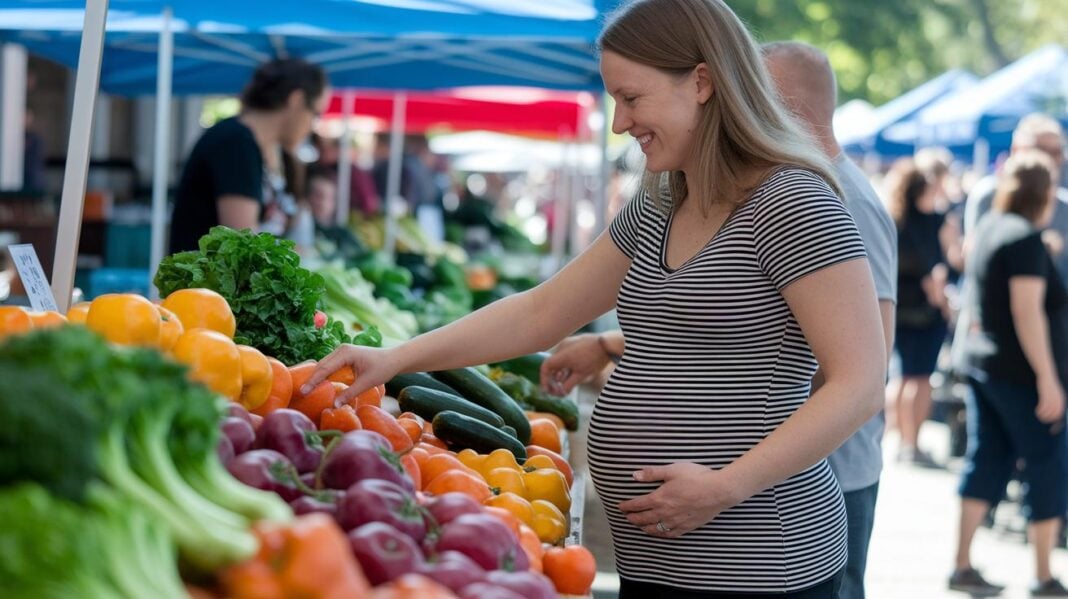

Are you certain every bite is safe for both you and your baby? Pregnancy can lower your defenses (your body’s way to fight off germs), which may leave you more vulnerable to infections. Simple steps like washing your hands well and keeping food stored properly can help protect both of you. Picture your kitchen as a mini safety lab, where every ingredient gets a quick check-up before it lands on your plate. In this post, we share straightforward, smart tips to ensure that every meal is as safe as it is delicious during this important time.
Essential Guidelines for Food Safety in Pregnancy
Pregnancy changes can lower your defenses, making you more at risk for foodborne illnesses like listeriosis (a serious infection) and toxoplasmosis. Registered dietitians suggest a few simple steps to help you eat safely so that both you and your baby stay healthy.
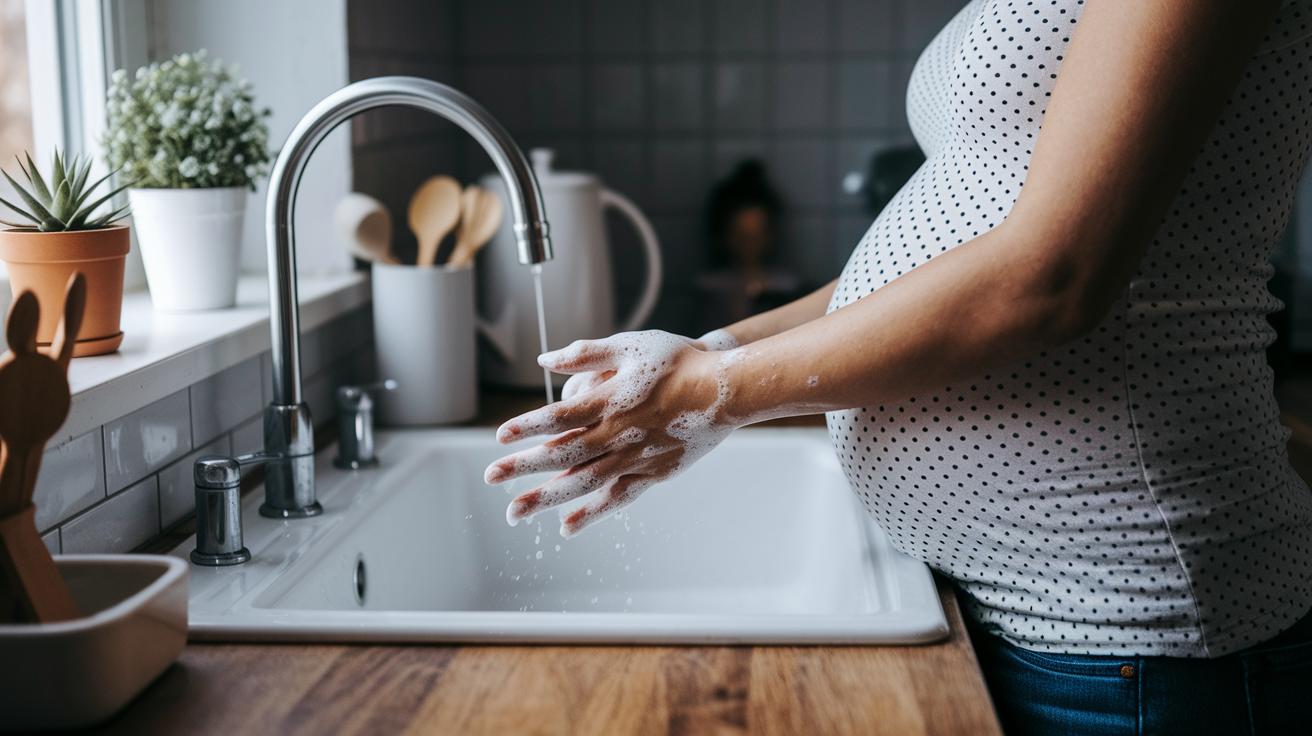
The first tip is to wash your hands well. Always use soap and water for at least 20 seconds before cooking, after using the bathroom, or after handling pets. Think of it as wiping the slate clean before you start preparing meals.
Next, focus on storing your food properly. Keep your refrigerator at or below 40°F and your freezer at 0°F by checking with a thermometer. For extra safety, store raw meats on lower shelves and use separate containers for foods that are ready to eat.
It also helps to prevent germs by handling food carefully. Use a separate cutting board for raw and cooked items, and clean all utensils and surfaces in hot, soapy water or by running them in the dishwasher. For example, a food thermometer is like your final quality check to ensure that chicken reaches 165°F.
Using these easy steps can make a big difference. Adding them to your daily meal planning helps keep your diet safe, smart, and delicious during pregnancy.
Food Safety in Pregnancy: Hand Hygiene and Food Handling Practices
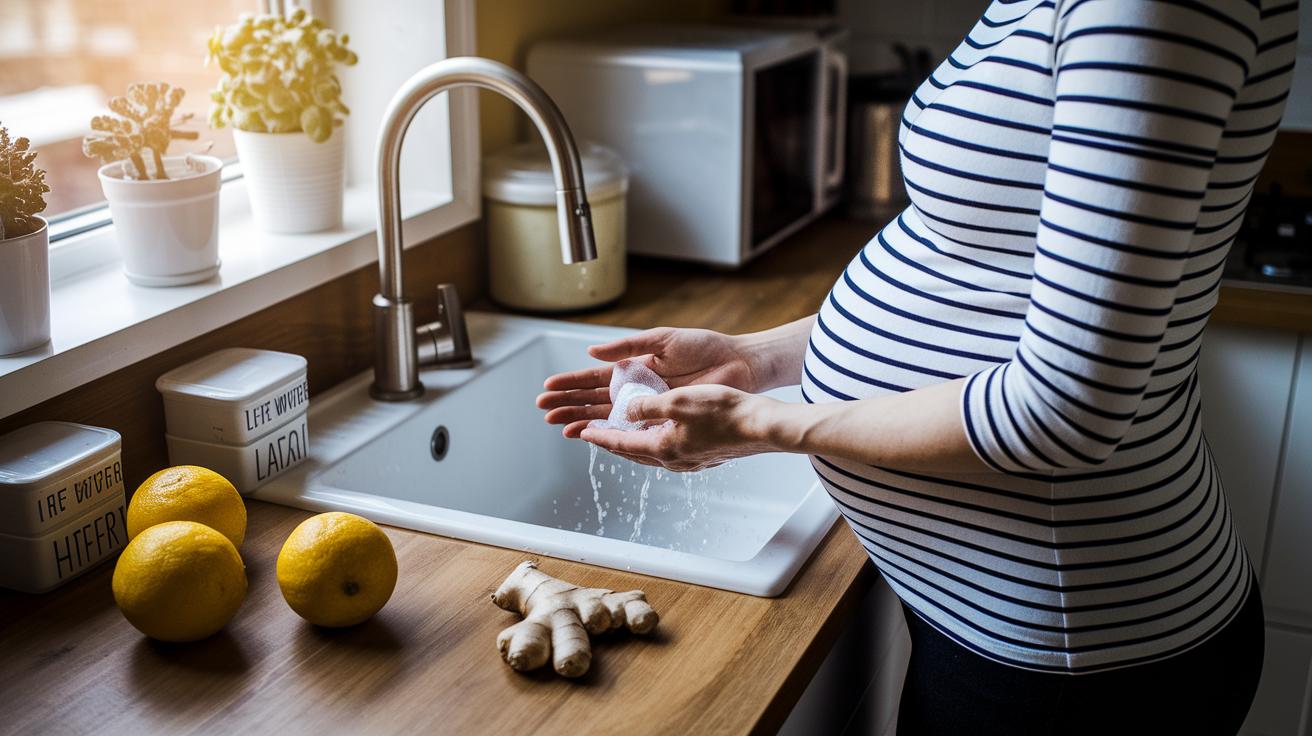
Pregnant women should wash their hands for 20 seconds but also be careful with leftovers and food choices that boost immunity. Cool leftovers within 2 hours and heat them until they’re steaming (about 165°F) to kill harmful bacteria. Think of leftovers as another ingredient in your recipe, cool and heat them properly to keep germs away.
Steer clear of risky foods like unpasteurized dairy and deli meats, which might carry bad bacteria like Listeria monocytogenes. Instead, choose foods packed with vitamin C and zinc, such as citrus fruits, garlic, and ginger, to strengthen your immune system.
Keep your kitchen safe by using separate cutting boards for raw meats and ready-to-eat foods. Clean utensils and surfaces with hot, soapy water right after cooking. This extra step helps prevent any cross-contamination during pregnancy.
Food Safety in Pregnancy: Refrigerator and Storage Safety
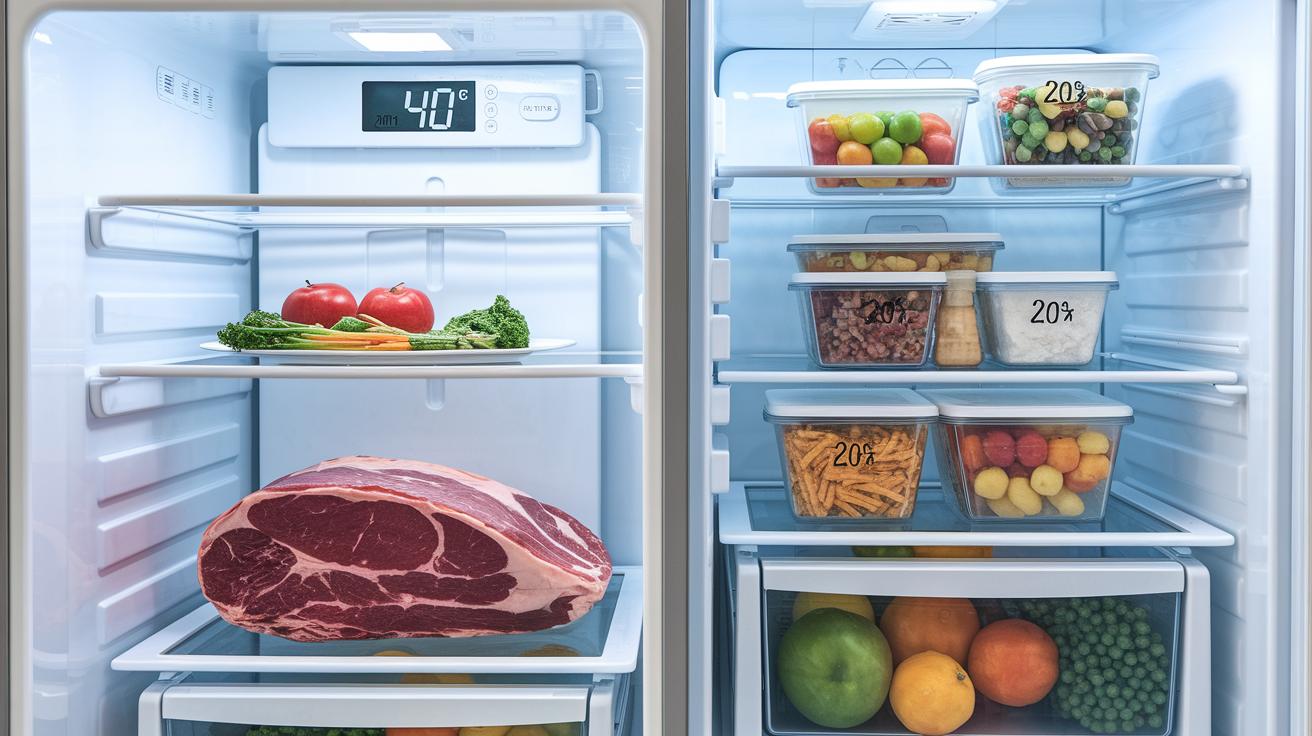
Keep your fridge at 40°F or below and your freezer at 0°F. Check these temperatures often with a digital thermometer. It’s like a pilot checking important instruments before a flight; accurate readings help keep harmful bacteria at bay.
Place raw meats on the bottom shelf so that their juices won’t touch fruits, vegetables, or ready-to-eat foods. Wrapping and sealing items separately also stops bacteria from moving from one food to another.
When it comes to leftovers, safety matters too. Store them in sealed containers and use or discard them within 3 to 4 days. For example, if you make a big pot of soup, label it with the date and stick to the rule to avoid any surprises.
Key practices include:
- Keep your fridge at 40°F or below and your freezer at 0°F.
- Check temperatures regularly with a digital thermometer.
- Place raw meats on the bottom shelf to prevent cross-contamination.
- Store ready-to-eat items in sealed containers.
- Use or discard leftovers within 3 to 4 days.
Food Safety in Pregnancy: Safe Cooking Temperatures and Techniques
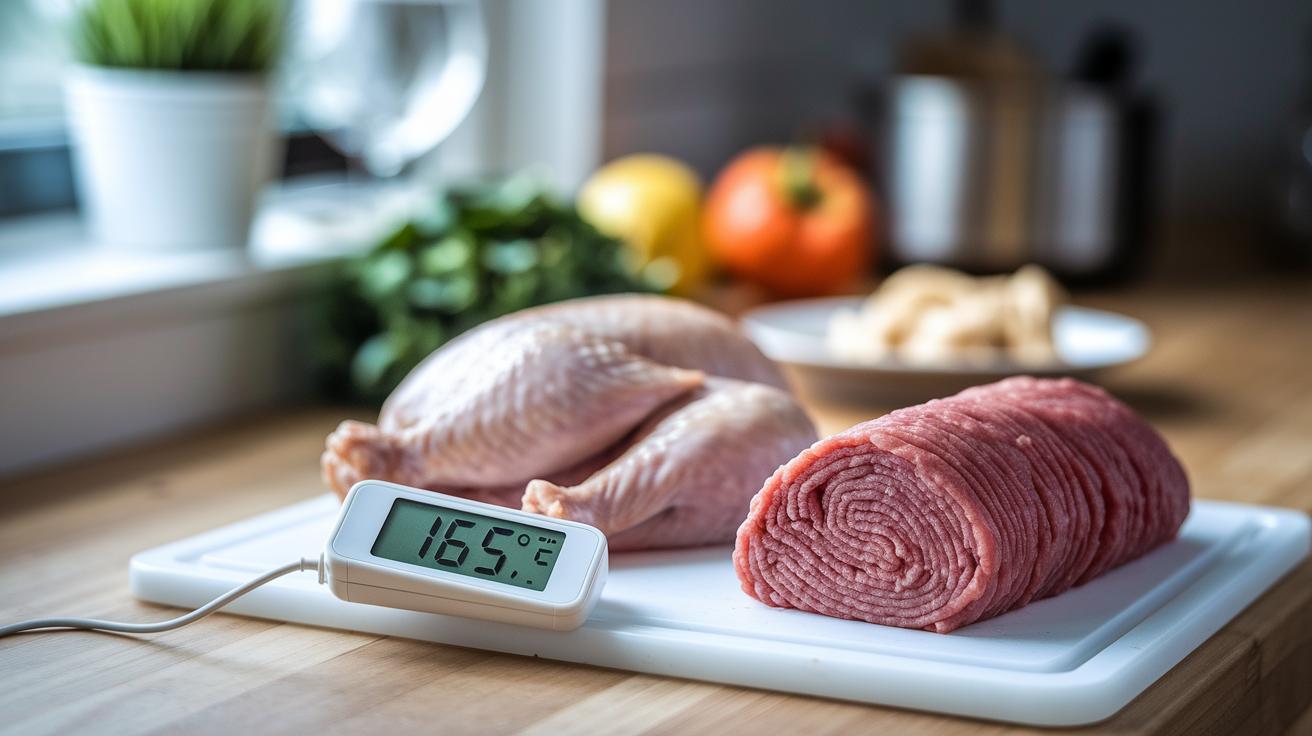
Always use a food thermometer as your final check when cooking. For chicken and other poultry, the inside should reach 165°F. Ground meat must hit
Food Safety in Pregnancy: Key Foods to Avoid
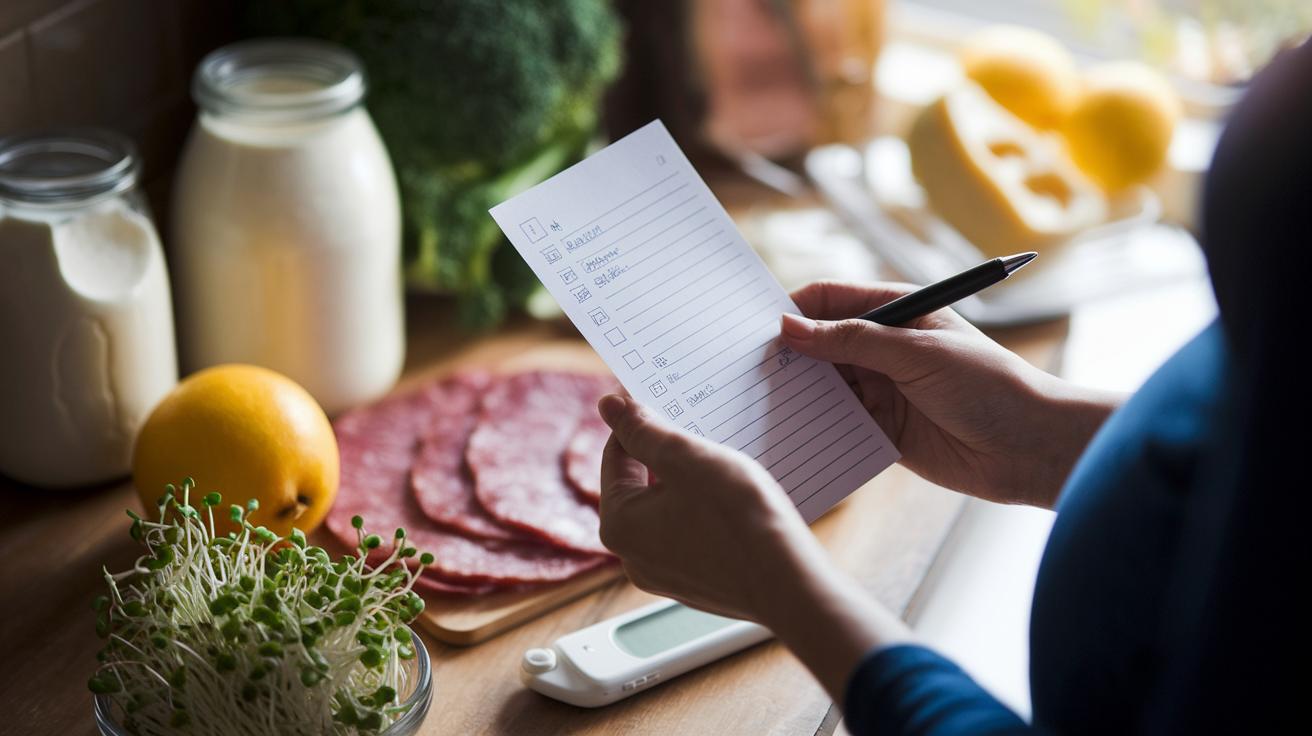
If you are expecting, it is wise to check which foods might carry harmful germs. Some foods can contain bacteria like Listeria or parasites that lead to infections such as toxoplasmosis. These can raise the risk of complications during pregnancy.
Avoid raw milk and any dairy products made from it. Unpasteurized soft cheeses such as feta or Brie can hide dangerous pathogens. When you have deli meats or cold cuts, heat them until they are steaming hot to help kill any lurking bacteria.
Raw sprouts like alfalfa or bean sprouts can provide a home for bacterial growth. Always cook meats completely to make sure any harmful germs are eliminated. The same advice applies to eggs: make sure they are fully cooked before you eat them.
Sushi and raw fish might look healthy, but their raw ingredients can expose you to bacteria or parasites. Smoked seafood can be risky too unless it is prepared in a way that kills bacteria. Hot dogs and other processed meats should be heated thoroughly before eating. Even pre-made salads, especially those with a mix of meats and cheeses, can have a higher chance of contamination.
Imagine a fresh deli salad that looks too good to pass up. Even a small handling error can open the door for Listeria.
- Avoid raw milk and unpasteurized cheeses.
- Reheat deli meats until steaming hot.
- Do not eat raw sprouts, undercooked meats, or eggs.
- Steer clear of sushi, raw fish, smoked seafood, hot dogs, and high-risk pre-made salads.
Food Safety in Pregnancy: Safe Dairy and Seafood Choices
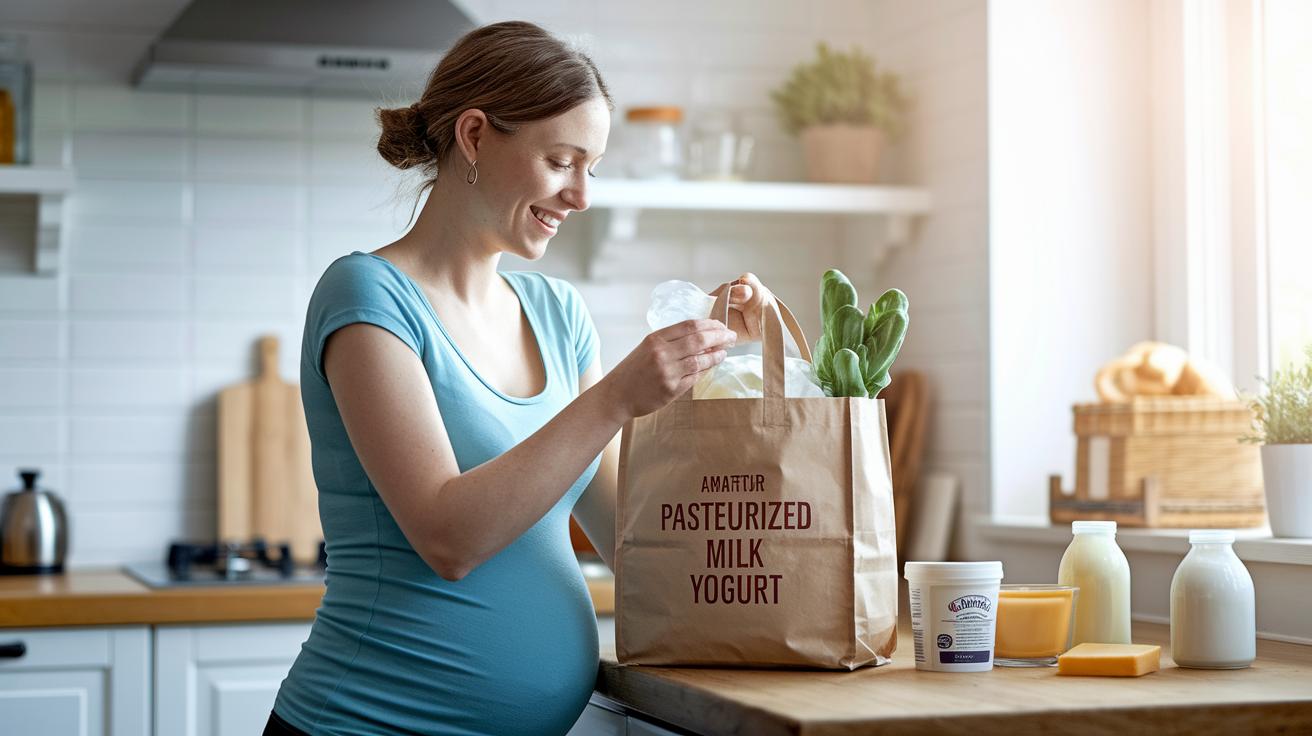
Using pasteurized milk, cheese, and yogurt helps keep harmful bacteria like Listeria at bay. These products are treated to kill off bad germs, making them a smart and nutritious choice for expectant moms. Choosing pasteurized cheese over its unpasteurized counterpart is like opting for a trusted, clean ingredient, so you get the vitamins you need without extra worry.
When it comes to seafood, lean toward fish with low mercury levels such as salmon and cod. These fish not only offer great flavor and essential nutrients, but they are also safe when prepared correctly. Make sure to cook your fish until it reaches 145°F. This cooking temperature helps kill any lingering bacteria and reduces the risk of foodborne illness.
Keep these food safety tips in mind during pregnancy:
- Use only pasteurized dairy products to lower the risk of infection.
- Avoid raw milk and unprocessed cheeses to steer clear of harmful bacteria.
- Choose low-mercury fish like salmon and cod for a healthy meal.
- Cook seafood until it reaches 145°F to ensure it is safe to eat.
- Avoid raw shellfish, smoked seafood, or dishes like ceviche that may not fully eliminate pathogens.
Following these guidelines can help you enjoy a nutrient-rich diet that keeps both you and your baby safe.
Food Safety in Pregnancy: Trimester-Specific Dietary Precautions
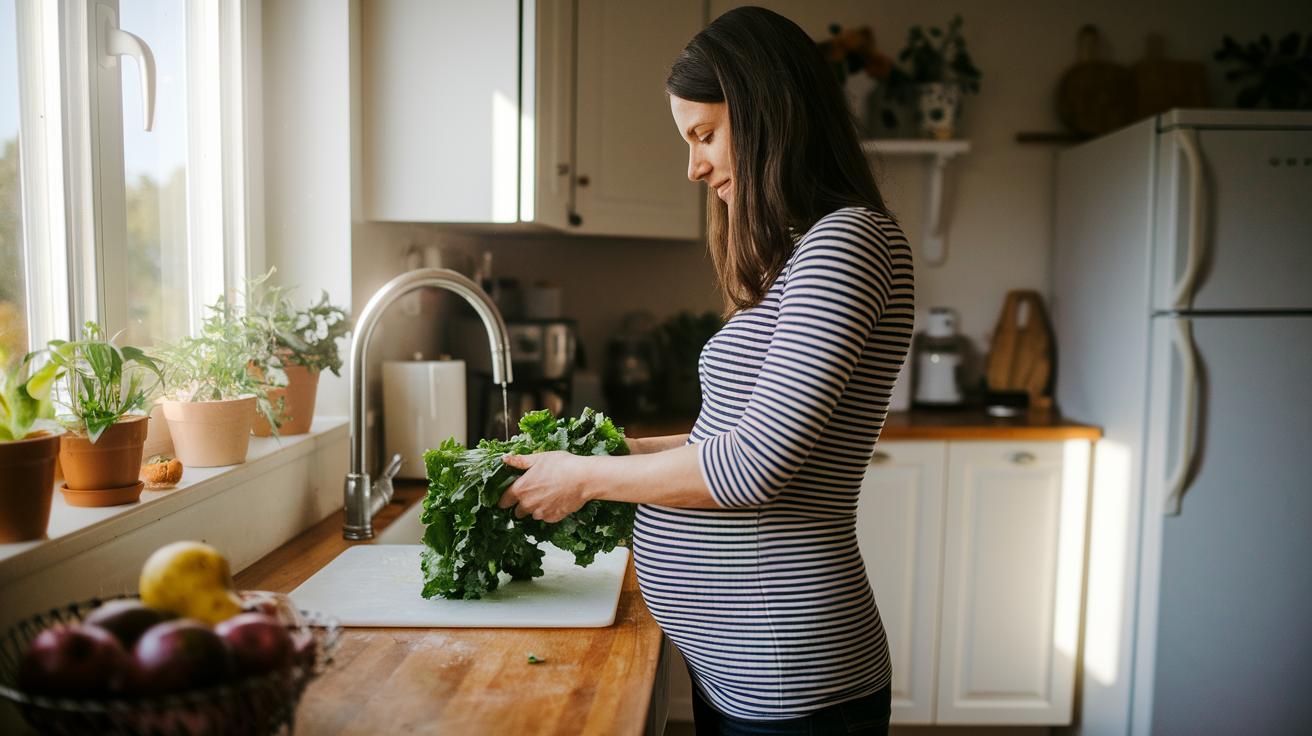
In early pregnancy, it's wise to steer clear of raw proteins and unwashed fruits and veggies. Think of washing your leafy greens as giving your meal a fresh, clean start, much like cleaning your hands before you begin cooking.
When you move into the second trimester, your hunger picks up again, and safe food practices become even more important. Always cook meats until they're safe to eat and keep perishable foods in the fridge at 40°F or less. Proper storage keeps your ingredients fresh and safe for both you and your baby.
By the third trimester, with your immune system still adjusting, it's key to lock in those food safety steps. Wash your hands for at least 20 seconds, check your food with a thermometer to ensure it hits the right temperature, and throw out leftovers after 3 or 4 days. Each of these steps adds an extra layer of protection during this important time.
Following these trimester-specific tips helps keep your meals safe, supports prenatal nutrition, and cares for both you and your baby during this critical stage.
Food Safety in Pregnancy: Nutrient-Dense Balanced Meal Planning
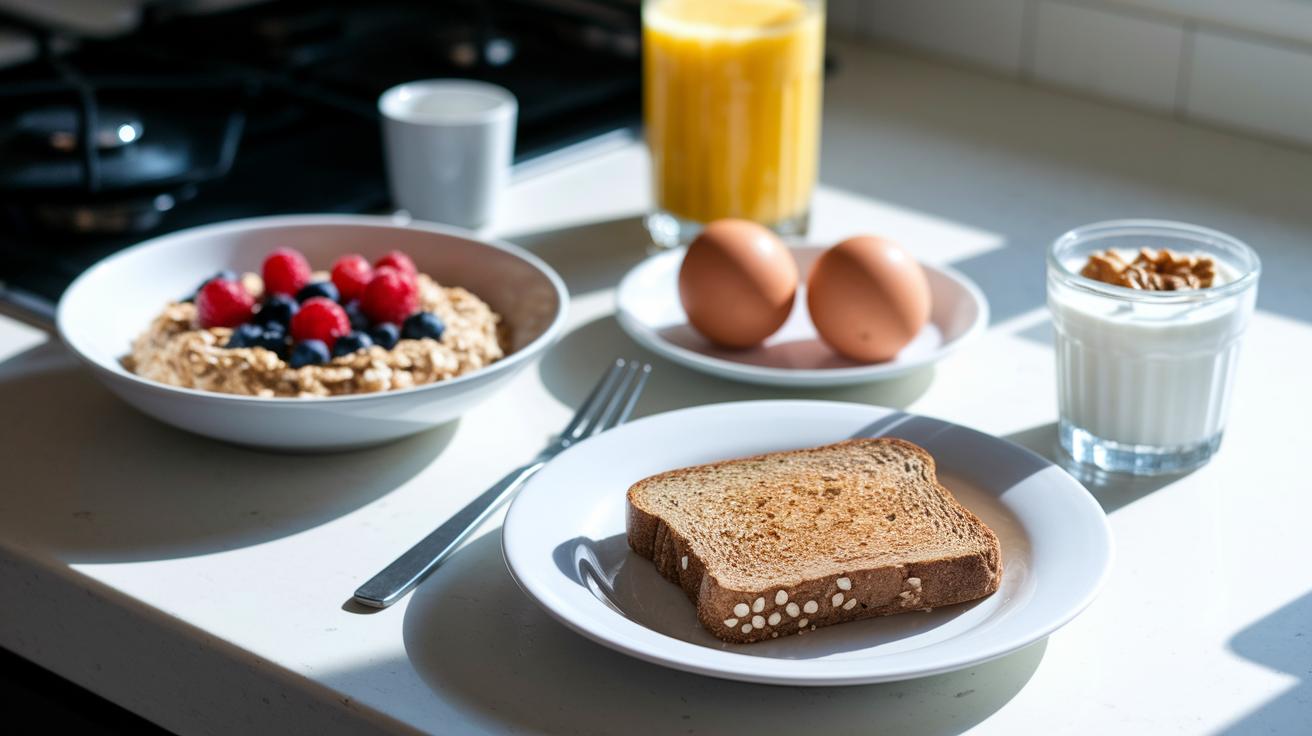
Plan your day around meals that mix whole grains, fresh fruits, crisp vegetables, and lean proteins cooked until safe. Imagine starting your morning with a warm bowl of oatmeal topped with juicy berries and a side of scrambled eggs that are thoroughly cooked. This breakfast gives you a balanced mix of carbs, protein, and vitamins.
For snacks, choose options that are both nutritious and easy to grab. Try pairing a cup of yogurt with a small handful of nuts or spreading nut butter on whole-grain toast. These choices offer steady energy and help minimize the risk of harmful bacteria when you handle your food.
Before using fruits and vegetables, rinse them under running water. If needed, give them a gentle scrub with a clean brush, just like you would before tossing a salad. Taking this extra moment not only makes your food safer but can also bring out its natural flavors.
Keep your refrigerator organized by separating raw items from foods ready to eat. Store raw proteins on the bottom shelf in tightly wrapped packages. This simple habit stops any juices from dripping onto fruits or salads.
Keep these meal planning tips in mind:
- Include whole grains, lean proteins, fruits, and vegetables in every meal.
- Enjoy nutrient-rich snacks such as yogurt with fruit or whole-grain toast with nut butter.
- Rinse all fresh produce thoroughly before consumption.
- Store raw and ready-to-eat foods in separate areas of your fridge.
Following these guidelines and advice from registered dietitians can help you create meal plans that are both nutrient-dense and safe during pregnancy.
Final Words
In the action, this article broke down key guidelines for food safety in pregnancy. We covered strict hand hygiene, precise storage practices, and reliable cooking techniques. Each section offered safety tips, from avoiding high-risk foods to choosing safer dairy and seafood options, with a focus on balanced, nutrient-rich meals. The recommendations also highlight trimester-specific measures to keep eating both safe and satisfying. With these clear steps, expectant mothers can feel confident about their food choices and enjoy a healthier, happier pregnancy.
FAQ
What is food safety during pregnancy?
The guidelines for food safety during pregnancy mean careful food handling, proper storage, correct cooking temperatures, and steering clear of high-risk foods to protect both mother and baby from harmful germs.
What are the CDC guidelines for food safety during pregnancy?
The CDC advises thorough handwashing, safe cooking temperatures, proper refrigeration, and avoiding unpasteurized or raw foods as part of a strategy to reduce foodborne illness risks during pregnancy.
What foods are not allowed during pregnancy, and what should be avoided?
The list usually excludes raw milk, soft cheeses, undercooked meats, raw eggs, deli meats without reheating, sushi, and smoked seafood to lower the chances of infections like listeriosis or toxoplasmosis.
What are some safe fish choices during pregnancy?
Safe fish selections include low-mercury options such as salmon, cod, and tilapia. They should be cooked to 145°F to reduce the risk of foodborne pathogens while providing essential nutrients.
How do food safety practices change in the third trimester of pregnancy?
In the third trimester, it is essential to maintain strict handwashing, proper food handling, accurate temperature checks, and timely storage of leftovers to protect the mother and developing baby.
Are there PDF resources available on food safety during pregnancy?
PDF guides typically offer detailed instructions on food safety practices during pregnancy, including hand hygiene, proper cooking methods, storage tips, and safe food choices to avoid harmful infections.
What food safety precautions should a pregnant woman take?
A pregnant woman should wash hands frequently, use separate surfaces for raw and ready-to-eat foods, monitor refrigeration temperatures, and cook meats thoroughly to minimize infection risks.