


Ever wonder how a simple misstep in the kitchen can put your dinner at risk? Food safety isn’t complicated; it’s about following clear steps that protect your meal. By sticking to four easy habits, cleaning your surfaces, keeping raw and cooked foods separate, cooking foods to the right temperature, and chilling perishables fast, you cut down the chance of foodborne illness. An expert explains these tips, building on FDA and USDA advice, so you can enjoy meals that are both delicious and safe.
Core Food Safety Guidelines for Preventing Foodborne Illness
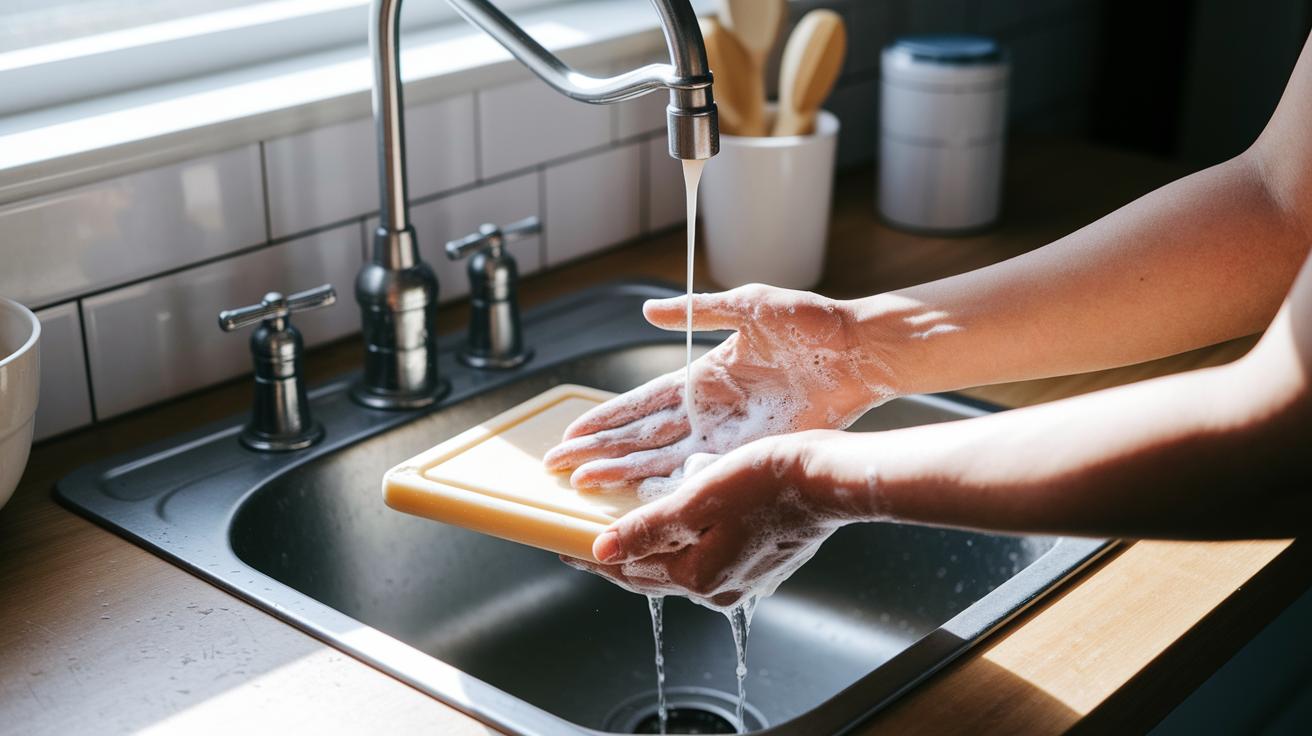
Keeping food safe starts with four key steps: Clean, Separate, Cook, and Chill. First, clean by washing your hands and kitchen surfaces often. Imagine the refreshing splash of water and the gentle scrub of soap working together to beat off bacteria that stick to your knives, cutting boards, and countertops.
Next up is Separate. Keep raw meat, poultry, seafood, and eggs away from foods you eat without cooking, like salads. It helps to have different cutting boards for meats and veggies. A handy tip is to wear disposable gloves when switching between tasks to minimize cross-contamination.
When you Cook, make sure your food reaches the right internal temperature. Using a food thermometer (a tool that reads the heat inside food) guarantees that harmful germs are killed. Just like a baker measures ingredients for the perfect loaf, a quick temperature check keeps your meal safe.
Finally, Chill means cooling food properly. Store leftovers in a fridge set at 40°F or lower, and freezers should stay at 0°F or below. Keeping a log of dates, times, temperatures, and even employee initials helps ensure food safety standards are met.
| Practice | Key Action |
|---|---|
| Clean | Wash hands and surfaces often |
| Separate | Keep raw food away from ready-to-eat food |
| Cook | Check with a food thermometer to hit safe temperatures |
| Chill | Refrigerate at 40°F or below; freeze at 0°F or below |
These trusted practices, shared by a credentialed expert, offer clear steps to ward off harmful bacteria and lower the risk of foodborne illness.
FDA and USDA Regulations Underpinning Food Safety Guidelines

The FDA guidelines set the standard for safe food handling in grocery stores and restaurants. The FDA Food Code offers clear rules that include checking for risks in food production. For instance, a checklist tells operators to keep foods like dairy and cooked meats away from temperatures between 41°F and 135°F to stop harmful bacteria from growing. Food businesses must not only set these rules but also follow them through written procedures and regular inspections.
USDA standards add extra safety checks, especially for products such as meat, eggs, and dairy. These rules require detailed inspections and tests to spot any potential dangers early. A food processor, for example, might double-check every temperature log before a USDA inspection to show that following these health rules is a top priority.
Businesses must update their procedures often to meet both FDA and USDA rules. They are expected to keep detailed records, including temperature logs with dates, times, and any fixes made. These records help ensure that food is safe for customers and build trust in the food industry.
food safety guidelines: Trusted Tips For Cooking

Keeping your kitchen spotless is the best defense against foodborne illness. Wipe down prep tables, countertops, and cutting boards to remove any food bits. After cleaning, use a sanitizer on these surfaces to cut down on germs. Picture a chopping board so clean that it sparkles, leaving no trace of raw food behind. This method stops harmful bacteria from lingering.
Handwashing is equally important. A sink stocked with soap and paper towels makes it easy for everyone to wash their hands thoroughly. Think of it like scrubbing a sticky plate, washing removes any stubborn residue that could mix with fresh food. Wearing clean uniforms, using hairnets, and keeping an eye on staff health further secure your kitchen.
Equipment with moving parts needs extra care. For big items like pots and pans, use a three-compartment sink. This means you wash, rinse, and then sanitize, ensuring all grease and food particles are washed away step by step.
- Use different cloths for surfaces and equipment.
- Follow proper handwashing and glove use guidelines.
- Reset cleaning routines when spills occur unexpectedly.
Sticking to regular cleaning and sanitizing routines is key to a safe kitchen. Combining smart cleaning habits with strict sanitation practices creates an environment where meals are prepared safely and bacteria are kept at bay.
Temperature Control Procedures for Safe Food Storage

This info is part of our main food safety rules. It matches the standards set by the FDA and USDA. Following these steps helps keep food at the right temperature and safe to eat.
Preventing Cross-Contamination in Food Safety Guidelines

Cross-contamination is a big concern in food safety. Bacteria from raw meat, poultry, seafood, or eggs can move onto ready-to-eat foods through utensils, surfaces, or hands. Imagine slicing raw chicken and then preparing a fresh salad without cleaning up first. Harmful germs could mix in and affect the flavors you love.
Raw Produce Handling
Start by washing your fruits and vegetables under running water to remove dirt and residues. Use a separate cutting board for produce to avoid any chance of bacteria from raw meat. Picture a shiny red apple rinsed under cool water and chopped on its own board, keeping its crisp taste safe. For even more confidence, you can use a sanitizing wash on your fruits and leafy greens.
- Always rinse produce under running water.
- Use a cutting board just for fruits and vegetables.
- Apply a sanitizing solution if you need extra assurance.
Allergen Control Measures
Keeping allergens separate is just as important as stopping bacteria. Use special equipment and clear labels to separate different food types. For example, if a chef moves from cooking a seafood dish to putting together a nut-free salad, they should use new gloves and different utensils. Always wash your hands before putting on fresh, single-use gloves and change them between tasks. Training everyone in your kitchen on these steps helps keep all ingredients safe.
- Use single-use gloves and switch them between tasks.
- Wash your hands well before wearing new gloves.
- Keep dedicated tools and label them to avoid mix-ups.
Staff Training and Compliance for Food Safety Guidelines
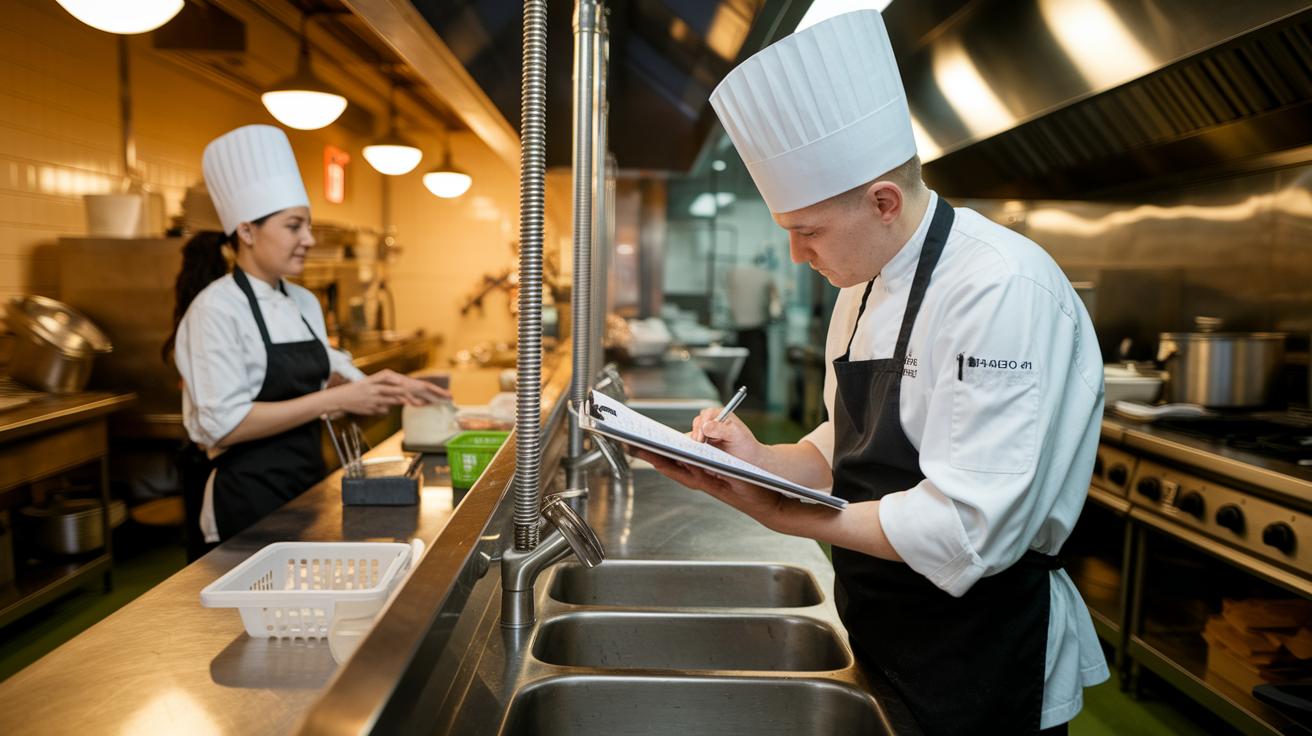
Regular training keeps a kitchen safe. Standard Operating Procedures (SOPs) are clear, step-by-step instructions that show how food should be handled. For example, a chef might review the SOP before starting a new task to make sure each temperature check and cleaning step is done right.
Training and certification programs help kitchen teams learn proper hygiene habits. Bright posters in break rooms and near cleaning stations serve as friendly reminders. Imagine a wall checklist marked with dates, times, and temperature readings, each note giving a quick look at the kitchen’s safety routine.
Risk management is key to food safety. Kitchens perform regular safety audits that review logs with temperature readings and any corrective actions taken. These audits also include checks that spot areas where cross-contamination might occur. Routine evaluations keep staff certified and help update safety plans when needed.
Key elements of a safe kitchen include:
- Food handler certification to confirm a basic understanding of hygiene best practices.
- Hands-on sanitation training covering cleaning methods and proper glove use.
- A daily sanitation compliance checklist to guide operations.
- Routine safety audits and risk assessments to spot and fix issues before they grow.
Picture a kitchen where every team member understands their role, much like an orchestra where each instrument plays its part to deliver safe, quality meals.
Final Words
In the action, we explored core food safety guidelines that emphasize proper cleaning, separation, cooking, and chilling. We saw how strict temperature control and regulated food handling procedures work to keep our meals safe. Key measures like sanitizing surfaces and preventing cross-contamination play a crucial role in reducing foodborne illness risks. Staff training and documented protocols further support these efforts. Adopting these clear practices empowers both home cooks and professionals to make smarter food decisions, ensuring a safer kitchen every day.
FAQ
What are the guidelines for food safety?
The guidelines for food safety include keeping hands and surfaces clean, separating raw and ready-to-eat foods, cooking to safe temperatures, quickly chilling foods, and following proper handling steps to lower illness risk.
What are 5 ways of handling food safely?
The five safe handling ways involve washing hands and surfaces, using separate cutting boards for raw and cooked items, cooking thoroughly with a thermometer, promptly refrigerating leftovers, and using clean utensils to avoid cross-contamination.
What are the 4 USDA basic food safety guidelines?
The USDA basic guidelines are to clean all surfaces and hands, separate raw from cooked foods, cook food to recommended internal temperatures, and chill items promptly to prevent bacterial growth.
What are the 7 most important food safety rules?
The seven key rules include thorough cleaning, proper separation of raw and ready-to-eat foods, accurate cooking temperatures, prompt chilling, correct storage practices, avoiding cross-contamination, and maintaining regular sanitation procedures.
What temperature should food be kept at for food safety?
Food should be kept refrigerated at 40°F or below, frozen at 0°F, and cooked to safe internal temperatures measured by a food thermometer to prevent bacterial growth.
What are safe food handling practices and procedures?
Safe food handling involves washing hands, sanitizing surfaces, using dedicated utensils and cutting boards for raw foods, cooking to proper temperatures, and keeping accurate logs of temperature and cleaning routines.
Where can I find food safety guidelines in PDF format?
PDF versions of food safety guidelines are available on the FDA and USDA websites, offering reliable and updated protocols to help reduce the risk of foodborne illnesses.
What food safety guidelines do restaurants follow?
Restaurants follow guidelines that ensure proper temperature control, prevent cross-contamination, require thorough cooking, enforce regular sanitizing of prep areas, and involve staff training in line with FDA and USDA standards.