


Ever wonder if simple, natural ingredients can pack a big flavor punch? With clean eating, dishes made from lean meats, fresh fruits, veggies and whole grains are full of real nutrition without any extra fuss. These recipes let each ingredient’s taste shine with just a hint of seasoning. They easily fit into a busy routine while keeping meals tasty and healthy. This approach proves that cooking can be quick while still serving up pure flavor and real nutrition on your plate.
Essential Overview of Clean Eating Recipes
Clean eating recipes focus on whole foods that are not processed. They use simple ingredients like lean meats, fresh fruits and vegetables, whole grains, and natural dairy. Meals are prepared with minimal processing to keep the natural goodness of each ingredient. In these dishes, the flavor comes mainly from the food itself with just a touch of basic seasoning.
Using whole foods lets nature’s best shine through. The goal is to highlight plain ingredients without extra additives. This cooking style supports a balanced diet and fits a busy lifestyle by offering quick, easy meal ideas. The focus remains on clear, genuine flavors that both taste great and provide real nutrition.
- Use whole, unrefined ingredients
- Avoid artificial additives and preservatives
- Emphasize balanced macronutrients
- Keep cooking times efficient for busy schedules
- Prioritize natural flavors and simple seasonings
When you dive into clean eating, you discover a world of tasty choices. Imagine a protein bagel with 12 g protein, grab-n-go egg bites with 14 g protein, or a cottage cheese pizza bowl delivering 27 g protein. There’s also a tuna chickpea salad that packs 27 g protein. Quick dishes like a 15-minute stovetop cinnamon apples or a 30-minute lemon chicken soup with orzo give you convenience without sacrificing flavor. Clean eating offers practical, nutritious meal ideas that make every meal a celebration of pure, natural taste.
Wholesome Breakfast Inspirations in Clean Eating Recipes
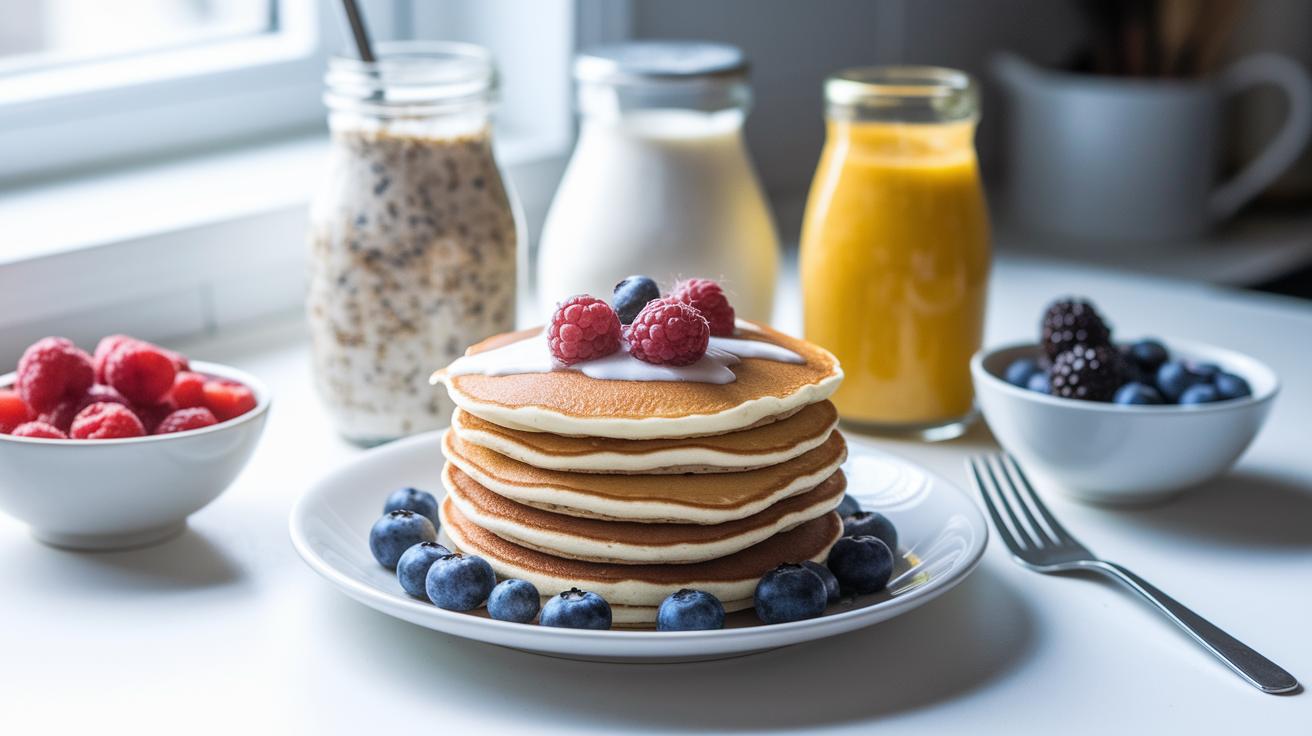
A nutrient-packed breakfast jump starts your day with energy. Choosing clean, protein-rich meals fuels your body and clears your mind. Mixing whole foods with balanced nutrients lets you enjoy great taste while staying healthy.
High-Protein Overnight Oats
Try mixing rolled oats with cottage cheese or a scoop of protein powder. Add your favorite berries for a burst of flavor. Let this mixture rest in the fridge overnight so the oats soak up all the creaminess. In the morning, you get a satisfying, ready-to-eat meal that fits right into an active routine with minimal prep.
Greek Yogurt Pancakes
Blend oat flour, Greek yogurt, and egg whites to form a smooth batter. Pour spoonfuls onto a hot skillet and cook until light and fluffy. A touch of vanilla or cinnamon boosts the flavor, making these pancakes both tasty and protein-packed. They offer a quick and nutritious option for busy mornings.
Other quick ideas include avocado toast topped with a hard-boiled egg or almond-flour banana bread enriched with cottage cheese.
Balanced Healthy Lunch Concepts for Clean Eating Recipes
When planning a lunch that fuels your day, think of mixing lean protein, fresh vegetables, and whole grains. This simple recipe keeps your energy steady and your body nourished. With textures that are clear and ingredients that come straight from nature, your meal not only tastes great but also powers an active lifestyle.
Some recipes really bring this idea to life. Try a creamy tuna chickpea salad that packs plant protein into every bite, or switch up the classic egg salad by using Greek yogurt for a fresh spin. You can also enjoy a chicken Caesar pasta salad made with less dressing, proving that familiar flavors can feel new and healthy when clean ingredients are the focus.
If your heart is set on a warm, one-bowl meal, options like a 30-minute lemon chicken soup with orzo or a hearty turkey spinach lasagna fit the bill. The lemon chicken soup offers a bright, zesty taste with quick preparation, while the turkey spinach lasagna layers lean protein and vegetables into every bite. These meals are both fast and full of wholesome goodness, making them perfect for a balanced, energy-boosting lunch.
Fresh Dinner Plans from Clean Eating Recipes
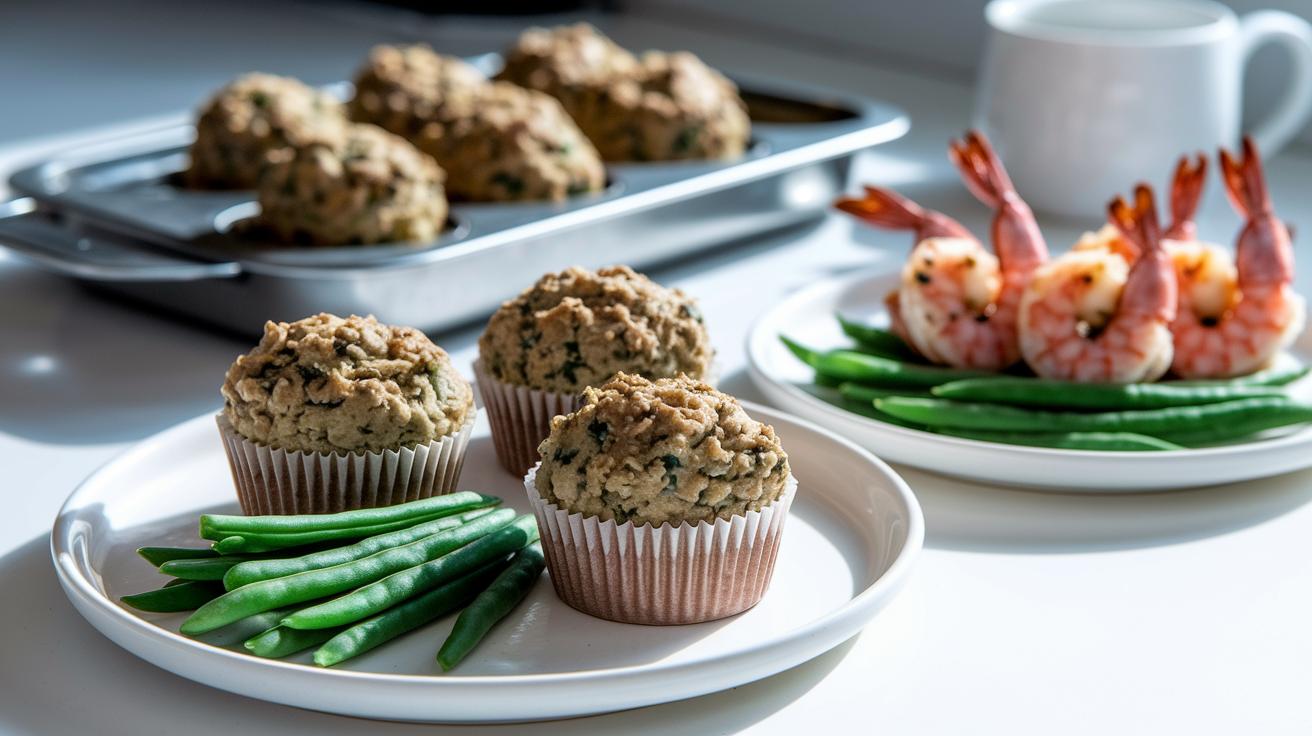
When you choose lean, plant-forward dinners, every plate is both delicious and nutritious. These recipes use fresh, quality ingredients so each bite is light yet full of flavor.
Protein-Packed Meat Dinners
Brighten your evenings with dishes like turkey meatloaf muffins. They reheat well and help you keep portion sizes in check. A seafood night featuring roasted shrimp with crisp green beans offers a fun mix of crunch and light taste. And for a creative twist, try turkey-stuffed zucchini boats that blend lean poultry with fresh veggies, giving you a balanced mix of textures and flavors.
Plant-Powered Veggie Options
Vegetarian dinners can taste hearty and satisfying too. Think of sheet-pan roasted carrots and baby potatoes; as they roast, their natural sweetness and earthy flavors shine through. You can also try a turkey spinach lasagna that layers lean turkey with vibrant greens, warming you from the inside out. Mix in other vegetarian swaps to discover new, creative ideas that fit your clean eating style.
Each recipe is flexible and perfect for batch cooking, making your weekly meal planning both efficient and stress-free.
Clean Eating Snack and Side Dish Recipes
Give your meals a boost with a burst of color and extra vitamins. These dishes use fresh, simple ingredients to add flavor and nutrition without fuss.
Try lightly sautéed broccolini with lemon and garlic for a bright, crisp bite. Enjoy warm roasted kabocha squash spiced with cinnamon and finished with a drizzle of maple butter for gentle sweetness and spice. Snack on roasted chickpeas sprinkled with smoked paprika for a hearty, savory crunch. Or go for a cool mix of avocado and cucumber salsa served on rice cakes that refreshes your palate.
These sides stand out on their own or pair perfectly with your main dish, offering a natural, flavorsome lift to any meal.
Clean Kitchen Strategies and Meal Prep Tips for Clean Eating Recipes

Start your week by planning your meals with a simple template. Write out your daily menus so you know which whole ingredients you'll need and when to use them. Take a moment in your day to review your calendar and plan meals based on prep time and nutrition. This little habit cuts down on last-minute decisions and helps you stick to recipes that have been triple-tested and perfected over a 30-day challenge. It also turns your grocery trips into a smooth, efficient process where every item matters.
Cooking in batches is a game changer. Make extra portions of proteins, grains, and vegetables and store them in clear containers for fast, ready-to-go meals. Try swapping ingredients easily, for example, switching lean meats with plant-based choices. This method keeps your meals flexible while staying true to clean eating. Regularly testing new recipes ensures that every dish is packed with genuine nutrition and true flavor.
Smart budgeting makes clean eating easy on your wallet. Shop for seasonal produce and keep pantry staples on hand to save money without giving up quality. Look for creative guides, like a free 30-minute dinner cookbook, to pick up handy tips and new meal ideas. Combining bulk cooking with smart ingredient swaps sets you up for a vibrant, budget-friendly kitchen that celebrates both taste and wellness.
Final Words
In the action, the post reviewed a range of clean eating recipes from breakfast ideas with protein-packed overnight oats to balanced lunches and fresh dinner plans. It also offered snack and side options as well as practical meal prep tips. Each section showed how using real ingredients and simple, quick techniques can lead to a healthy lifestyle. This guide makes choosing clean eating recipes both engaging and practical, encouraging readers to experiment and enjoy meals that nourish body and soul. Enjoy the process and happy cooking!
FAQ
What are clean eating recipes for weight loss?
Clean eating recipes for weight loss use whole foods and unprocessed ingredients to create balanced meals that support weight management and overall health.
How do clean eating recipes work for beginners?
Clean eating recipes for beginners emphasize simple, natural ingredients and minimal processing to help you transition smoothly to a healthier eating style.
How can Indian clean eating recipes be prepared?
Indian clean eating recipes blend traditional spices with whole, natural ingredients, creating flavorful dishes without artificial additives for a wholesome meal.
What clean eating meals can I make for breakfast, lunch, and dinner?
Clean eating meals for breakfast, lunch, and dinner offer nutrient-rich dishes that include lean proteins, whole grains, and fresh vegetables to keep you satisfied all day.
Where can I find clean eating recipes in PDF format?
Clean eating recipes in PDF format are available on various health websites, providing printable guides that make meal planning and cooking straightforward.
What do clean eating dinner recipes include?
Clean eating dinner recipes feature lean proteins, hearty vegetables, and whole grains, delivering balanced meals that are both flavorful and quick to prepare.
What are 30-day clean eating recipes?
A 30-day clean eating recipe plan offers a month-long menu with structured, balanced meals built from whole, natural ingredients to boost overall wellness.
How do clean eating recipes cater to families?
Clean eating recipes for families provide nutritious, crowd-pleasing meals using whole foods that appeal to different ages while promoting health and simplicity.
What constitutes an example of a clean eating diet?
A clean eating diet centers on meals prepared with unprocessed ingredients like lean proteins, whole grains, and fresh vegetables, avoiding artificial additives and preservatives.
What does a 10-day clean eating plan do to your body?
A 10-day clean eating plan can boost energy and improve digestion by reducing processed foods, allowing your body to enjoy nutrient-dense, natural meals.
How does one start eating clean for beginners?
Starting a clean eating lifestyle involves swapping processed foods for whole, natural ingredients, planning balanced meals, and gradually incorporating simple recipes to ease the transition.
What does the 80/20 rule mean in clean eating?
The 80/20 rule in clean eating suggests that about 80% of your meals should include whole, unprocessed foods while leaving room for more relaxed choices 20% of the time.