

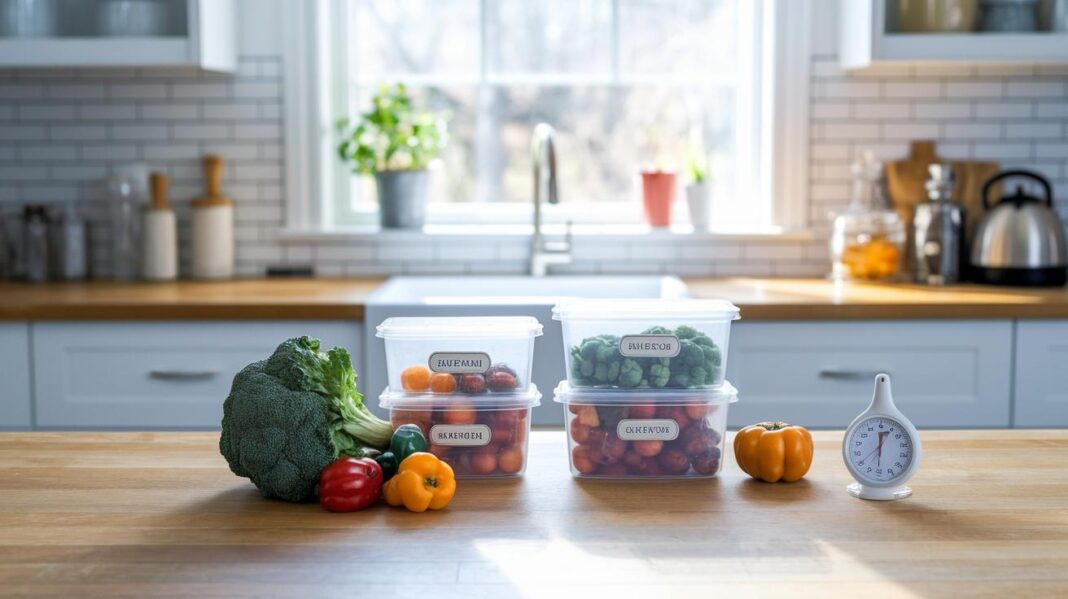

Have you ever worried that a simple mistake in storing food might make you sick? More than 200 food illnesses can happen when food isn't kept at the right temperature or sealed properly. Think of your fridge as a guard that fights off germs. Every cool setting and snug container works to protect your meals.
In this article, we explain how easy it can be to store food safely. By keeping items at the right temperature and handling them with care, you shield your kitchen from harmful germs. Read on for simple tips that help keep your food safe every day.
Foundational Principles of Food Safety Storage
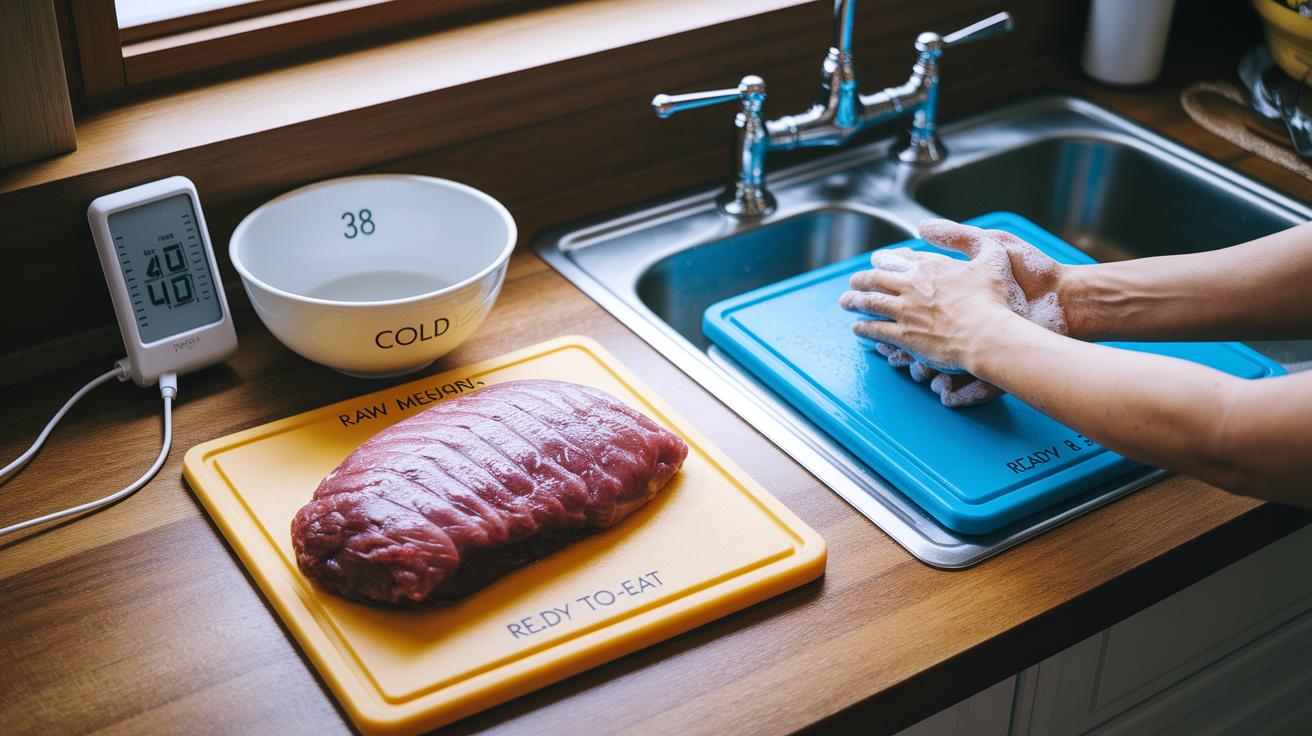
Good food storage can stop over 200 illnesses caused by unsafe food. Keep foods hot above 135°F or cold below 41°F. When food rests in the danger zone (41°F to 135°F) for more than 2 hours, bacteria can grow quickly. For example, cooked rice left out too long can become a hotbed for germs that may cause food poisoning.
Keeping food at the right temperature is just one step. Clean handling is equally important. Wash your hands with soap and water for 20 seconds before and after touching food. Also, clean work surfaces and use different cutting boards for raw meats and ready-to-eat foods to avoid cross-contamination.
Packaging also plays a big role. Store food in containers that seal tightly to keep out contaminants and lock in freshness. Think of these airtight containers as little shields that block out air and moisture, which can speed up spoilage.
Using these simple steps together with regular temperature checks builds a strong system to keep food safe. This approach works well in both home kitchens and commercial settings, ensuring that the food you eat remains safe and inviting.
Temperature Management for Refrigerators and Freezers in Food Safety Storage

Refrigerators work best when they stay between 34°F and 40°F. Freezers need to hold steady at 0°F (no higher than 5°F). Perishable foods must be cooled quickly at or below 40°F to keep bacteria in check. If food sits between 41°F and 135°F for more than 2 hours, it can become unsafe. Imagine a scoop of ice cream that isn’t rock firm, this could mean your freezer is too warm and you might need to enjoy that treat within 1 to 2 weeks.
Keeping a close eye on the temperature is important in both home kitchens and restaurant coolers. Digital temperature logging systems work like a helpful watchdog by automatically recording the temperature and sending alerts when readings stray. A quick glance at the display lets you know if you need to adjust anything.
Here are some easy practices to follow:
- Check your thermostat weekly to catch any changes.
- Calibrate your temperature sensors often using reliable digital tools.
- Monitor your storage areas to avoid spots that might get warmer from frequent door openings or nearby appliances.
A simple check can make a big difference. If your fridge’s temperature rises above 40°F, it may turn fresh produce into a breeding ground for bacteria. This quick observation can prompt you to act before any serious issues occur.
Regular checks and digital monitoring not only keep your food at the right temperature but also help extend its shelf life. By replacing outdated manual methods with reliable technology, you cut down on waste and reduce the chance of foodborne illnesses. Whether at home or in a commercial setting, steady temperature control builds confidence and ensures your food stays safe and fresh.
Best Practices for Container Selection and Usage in Food Safety Storage
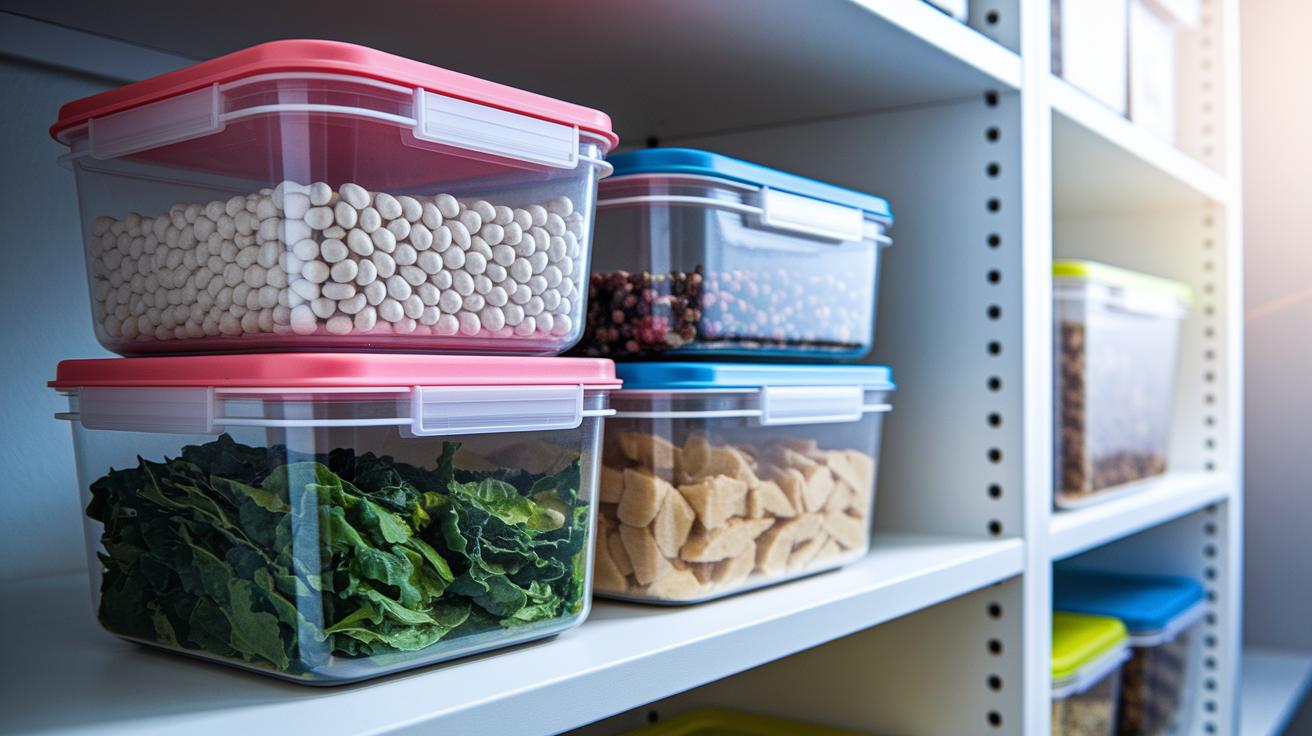
When you choose food storage containers, airtight options truly make a difference. They help keep your food fresh and stop leaks from happening. Silicone containers and BPA-free plastics are popular picks because they lock in flavors and reduce waste. Look for containers with lids that snap on tightly to keep moisture out and air away.
Dry goods like grains and spices do best when stored in airtight containers and kept in cool, dry spots away from heat. This simple step prevents moisture buildup and keeps pests at bay. Imagine your grains in a BPA-free container on a shelf far from the stove, staying dry and delicious.
For those who prefer an eco-friendly kitchen, non-toxic options like glass or stainless steel work well. These materials are great for long-term storage and help you avoid unwanted chemicals. They offer a durable and safe way to keep your food pristine.
Here are some easy steps to follow:
- Choose containers with lids that seal tightly.
- Store dry foods in cool, low-humidity areas.
- Pick non-toxic, eco-friendly materials for everyday use.
Using the right containers not only keeps your food fresh but also minimizes the risk of contamination. This smart and simple approach works well in home kitchens and even in professional settings.
Effective Thawing, Cooling, and Refreezing Techniques in Food Safety Storage
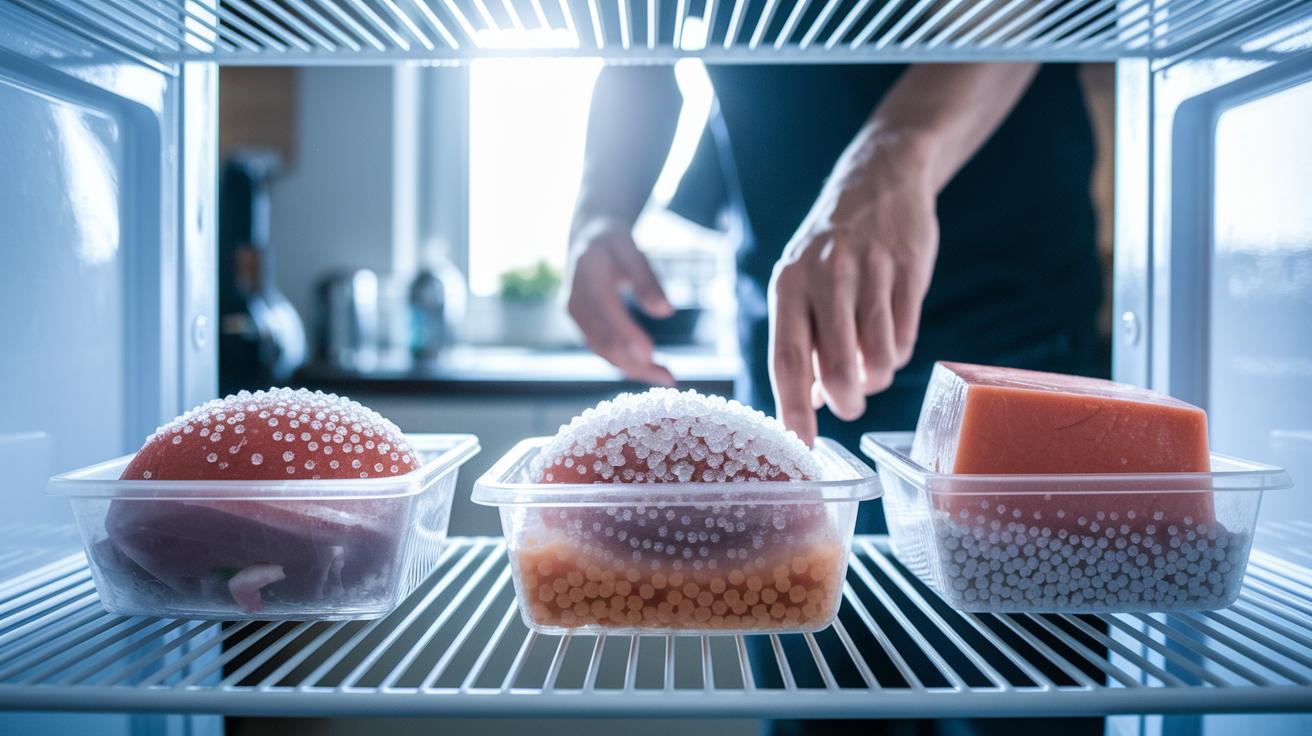
Start by placing partly thawed food that still shows ice crystals into your refrigerator and use it within 2 days. This simple step keeps food in the safe zone and slows the growth of bacteria. If you see ice crystals on poultry, it means the food is still good to refreeze as long as you act fast.
Next, transfer hot leftovers into shallow, small containers to speed up cooling. This makes sure the food temperature quickly falls below 41°F. For instance, break up a big bowl of stew into smaller servings before refrigerating.
Follow these tips to keep your food handling safe:
| Tip | What to Do |
|---|---|
| Plan Ahead | Move frozen items to the refrigerator well before you need them. |
| Avoid Cross-Contamination | Use separate cutting boards and utensils for raw and thawed foods. |
| Monitor Temperatures | Keep an eye on your fridge using a digital thermometer. |
Remember, refreezing can change the texture of some treats like ice cream or baked goods. However, these methods help you manage frozen foods safely while keeping quality high and reducing the risk of bacteria.
Pantry and Dry Goods Handling for Optimal Food Safety Storage

Dry foods like grains, flours, spices, and legumes keep their flavor and nutrients longer when stored right. Use airtight containers and place them in your coolest cabinets. This method keeps pests and moisture away, and it prevents heat from dulling flavors or inviting insects.
Rotate your supplies by moving older items to the front of your shelves. This simple step helps you use them before they lose quality. It’s a good idea to check your pantry every 6 months so you can spot expired items and plan your next purchase, which helps cut down on food waste.
Consider using printable charts or labels to track expiration dates and monitor what you have. These tools let you see at a glance which items need your attention. Keeping your pantry organized and clearly labeled can extend shelf life and ensure your food stays safe.
Follow these basic tips:
- Store dry foods in airtight containers in cool spots.
- Rotate supplies so older items are used first.
- Check your pantry every 6 months.
- Use charts or labels to track expiration dates.
Hygiene and Contamination Prevention in Food Safety Storage
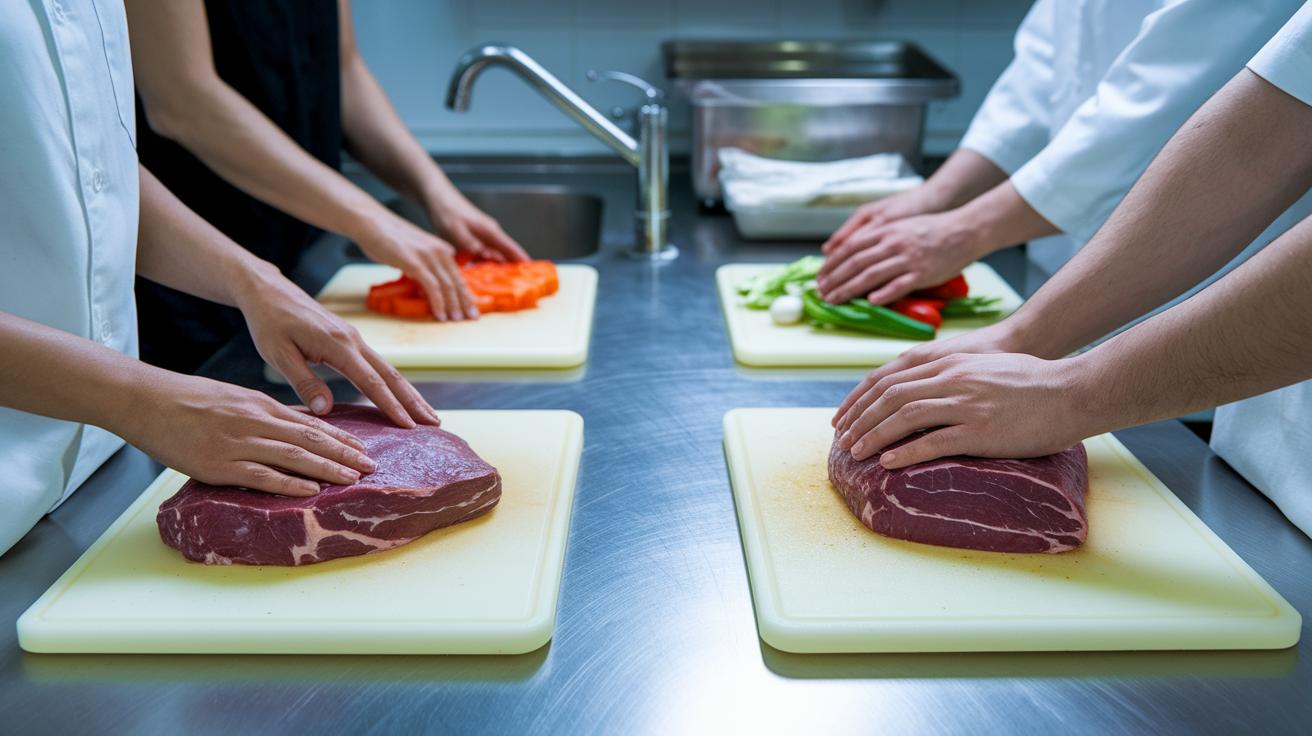
Keep your storage areas spotless to cut down the risk of contamination. Always separate raw foods from cooked ones by using different cutting boards. For example, reserve one board for raw meat and another for vegetables and ready-to-eat items.
Wash your hands with soap and water for at least 20 seconds before and after handling any food. Imagine slicing raw chicken and then taking a full 20-second wash before prepping your salad.
Make it a habit to disinfect surfaces, cutting boards, and utensils with a food-grade sanitizer that cleans off both visible mess and hidden germs.
Hygiene Best Practices
Introduce protective gear into your food prep routine. Wearing gloves when switching between food types and an apron to keep your clothes clean can really help stop germs from spreading. For instance, using gloves while handling both raw and cooked foods adds an extra layer of protection against cross-contamination.
Follow these steps:
- Wash your hands for at least 20 seconds before and after handling food.
- Use separate cutting boards for raw and cooked items.
- Regularly disinfect surfaces and utensils with a food-grade sanitizer.
- Wear gloves and aprons during food handling to minimize the spread of germs.
Regulatory and Technological Solutions for Commercial Food Safety Storage

Businesses today must follow tough food safety rules like HACCP, SQF, FDA, and BRC. These rules require keeping up-to-date temperature logs, regularly calibrating equipment, and tracking every perishable item from start to finish. For example, a commercial kitchen might use a digital monitor that records temperatures all day, making sure that the cold storage stays between 34°F and 40°F.
Smart digital tools are replacing old manual checks. Using IoT sensors and alarms, businesses now get real-time updates about storage conditions. Imagine a display that alerts staff the instant a cold room’s temperature begins to rise. This fast feedback helps stop spoilage and prevents foodborne illness.
Employee training is key to meeting these strict standards. Regular programs ensure that staff knows how to load and unload products properly to maintain the cold chain (keeping food properly refrigerated during transit). Many companies back up training with clear, written procedures covering each step from receiving shipments to final storage. A simple idea is having every team member review the guidelines before their shift.
Regular audits of the cold-chain system are also important. Businesses run internal checks to make sure digital logs match what is seen in person and that equipment is working well. The table below shows some main elements of a strong program:
| Component | Key Feature |
|---|---|
| Temperature Logs | Real-time records and alerts |
| Employee Training | Clear, concise safety steps |
| Audit Protocols | Routine checks to ensure safety |
By combining digital monitoring, ongoing training, and regular audits, businesses can meet these standards and protect public health.
Final Words
In the action, the article highlighted the essentials of food safety storage. It covered temperature guidelines, container choices, safe thawing methods, and pantry care. Short and clear steps were given for hygiene practices and minimizing contamination. Commercial strategies and digital monitoring also played a key role in keeping food safe. This guide serves as a practical resource to help you make smarter choices and boost confidence in your food handling routines. Stay informed and keep your meals as safe as they are delicious.
FAQ
What are food safety storage containers?
Food safety storage containers are made from BPA-free plastics, silicone, glass, or stainless steel. They provide airtight seals to keep food safe and fresh while preventing contamination.
What do FDA and USDA food storage guidelines include?
FDA and USDA food storage guidelines emphasize maintaining proper temperature ranges, cleanliness, and sealed packaging. They offer charts that detail safe storage times to help reduce foodborne illness risks.
What are food storage guidelines?
Food storage guidelines cover storing perishable items at safe temperatures, using clean, airtight containers, rotating supplies, and preventing cross-contamination to keep food safe and extend shelf life.
What are the 5 guidelines for food storage?
The 5 guidelines for food storage include keeping items out of the danger zone (above 135°F for hot and below 41°F for cold), practicing cleanliness, using proper packaging, rotating food, and minimizing contamination risks.
What is food storage safety?
Food storage safety means keeping food at required temperatures, using proper containers, and following hygiene protocols. This ensures that foods remain safe to eat and free from harmful bacteria.
What is the 2 2 4 rule for food safety?
The 2 2 4 rule for food safety reminds us that perishable food should not remain in the temperature danger zone for more than 2 hours, with leftovers ideally being consumed within 2 days, and safe frozen items kept for up to 4 days post-thaw.
What are the rules for ServSafe food storage?
ServSafe food storage rules require maintaining foods at safe temperatures, separating raw from cooked items, using clean storage containers, and following strict hygiene practices to prevent cross-contamination.
What are frozen food storage guidelines?
Frozen food storage guidelines advise keeping freezers at 0°F, ensuring items like ice cream remain firm, and labeling products to manage storage duration. Following these guidelines preserves food quality and safety.