


Ever wonder how food stays safe from the farm right to your fork? HACCP is a food safety system that works like a vigilant guard, stopping problems before they start. Originally born from space research and improved over decades, it checks every step in food production to spot risks early. With clear, easy-to-follow rules, every meal is made with care, ensuring safe and delicious dishes for everyone.
HACCP Food Safety Overview and Benefits

HACCP stands for Hazard Analysis and Critical Control Points. This system changes food safety from a model that only tests after problems occur to one that stops problems before they happen. Instead of waiting to find dangerous bugs, chemicals, or physical hazards in food, HACCP looks for these risks early. This way, food safety measures become part of everyday production, making the process safer for everyone.
The system started in the 1960s when NASA, Pillsbury, and military labs worked together to make sure astronauts had safe meals in space. This proactive method replaced older systems that often only reacted after problems were found. In 1993, international authorities recognized HACCP as the global standard for food safety. This endorsement helped spread its use all over the food industry.
HACCP works in many areas, such as meat and poultry processing, grocery stores, restaurants, bakeries, fish farms, and traditional farms. By setting up key checkpoints where hazards might occur, it keeps a steady watch on food quality and safety. This careful focus on stopping issues before they start reduces foodborne illnesses and builds trust with consumers. In short, HACCP helps ensure that every step of food production produces safer meals and maintains high quality.
HACCP Food Safety: Trusted Standards for Better Meals
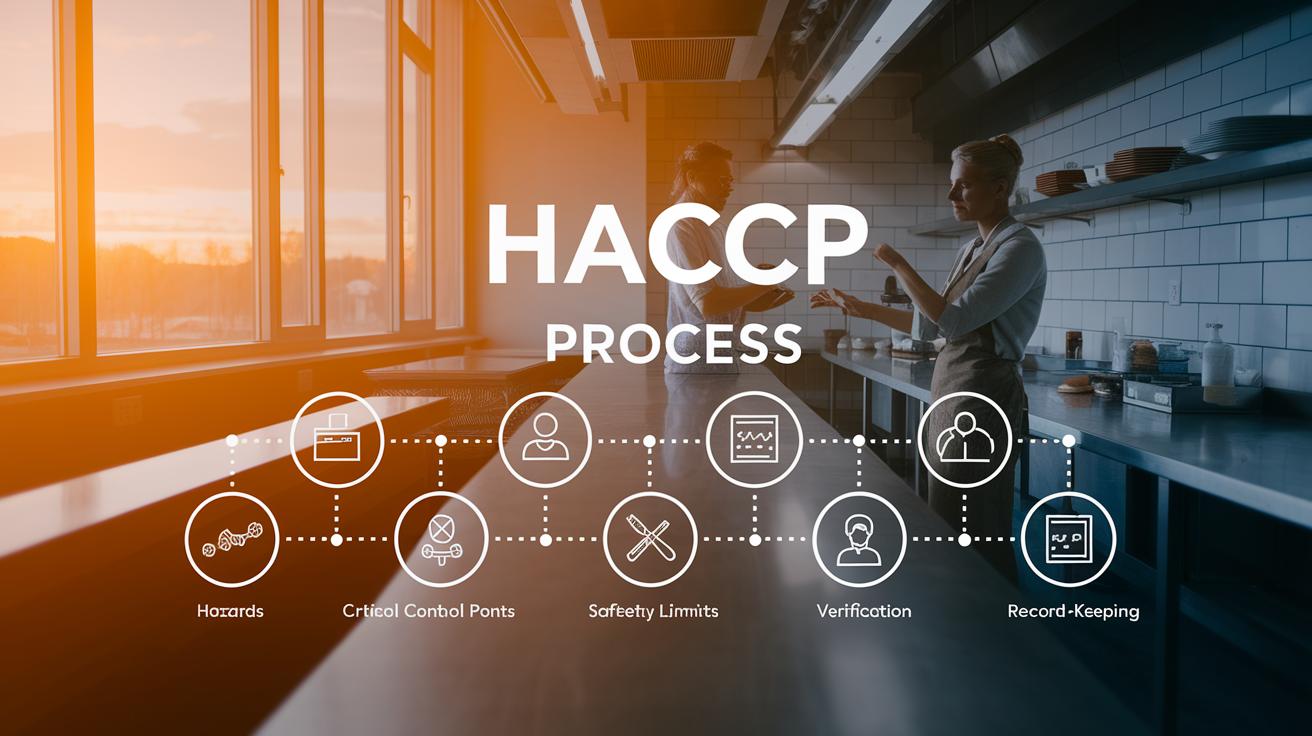
Safety measures are the heart of keeping food safe. A good HACCP plan stops problems before they start and lays out clear steps to protect food during production. Here are the seven main steps in a HACCP system:
- Start by looking for hazards like germs, chemicals, or physical objects.
- Find the key spots (Critical Control Points) where you can block or remove risks.
- Set clear safety limits at each of these spots.
- Check these points regularly with scheduled or continuous tests.
- Plan simple fixes if the limits are not met.
- Use quick checks to make sure the whole system works.
- Keep detailed records for every step to show the system is followed.
Together, these steps build a strong safety net. When every part works, from spotting hazards to keeping good records, the system creates clear, repeatable standards. This not only reassures customers about the meal quality but also makes managing busy food production easier.
Developing a HACCP Food Safety Plan: Preliminary Tasks

Starting with a clear plan is key to a safe food production process. A well-organized approach lowers risks and keeps every step secure for workers and consumers alike.
- Gather a team of experts, such as professionals in microbiology, engineering, production, and quality assurance.
- Write detailed descriptions for your products, including all ingredients and their intended uses.
- Draw a clear process map that shows every step from raw materials to the finished product.
- Carry out an early hazard analysis to identify possible biological, chemical, and physical risks.
- Define the full scope of your HACCP plan to ensure every process is covered.
- Develop template documents that outline safety checks.
- Prepare complete management system records to support daily operations.
- Set up regular verification steps to check that each safety measure works as it should.
Completing these tasks early sets up a strong framework. It helps the team stay focused and makes later steps simpler by clearly showing where to concentrate efforts. Taking the time upfront leads to a reliable, comprehensive food safety plan.
Implementing HACCP Food Safety Controls at Critical Points

Identifying Critical Control Points (CCPs) is a vital step in keeping our food safe. These points are the specific moments during processing where hazards, whether they come from biological agents, chemicals, or physical sources, can be prevented or reduced to safe levels. By carefully reviewing every step of the production process, food safety teams can pinpoint where problems might arise. They use tools like data loggers and regular manual checks to monitor these key areas.
If any measurement goes off track, immediate actions are taken to restore safe conditions. Routine checks and equipment calibration add an extra layer of confidence that each CCP is doing its job to keep risks under control.
Industrial Refrigeration as a Critical Control Point
Industrial refrigeration is a crucial CCP in many food operations. These systems must consistently maintain a temperature at or below 3°C, with an ideal target around 2°C. Temperature sensors and regular manual reviews help ensure these limits are met. Should the temperature rise too high, immediate steps, like shutting down the unit or adjusting its settings, are put in place to prevent spoilage and bacterial growth.
Constant monitoring and prompt corrective actions are key to this process. By keeping a close watch on temperature data and other CCP indicators, companies can quickly spot when something is off. This proactive approach minimizes the risk of contamination and helps ensure that every step of the food chain stays safe.
HACCP Food Safety Regulatory Compliance Guidelines
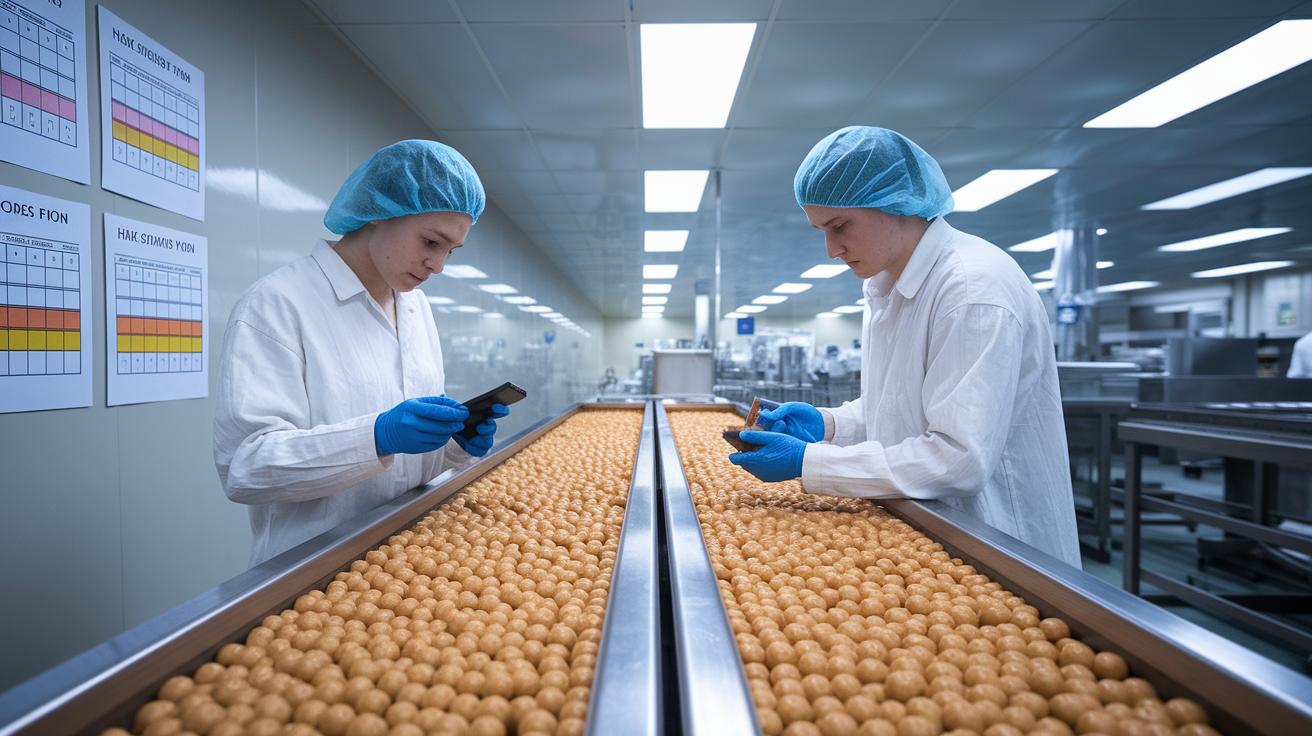
Globally, food safety regulators value HACCP as a key framework for keeping food safe. In 1993, the Codex Alimentarius Commission made HACCP the international food safety standard. In the U.S., the FDA Food Code and in the European Union, Regulation (EC) 852/2004, require strict HACCP practices to manage risks in high-risk food processes. These guidelines help food businesses follow proven steps to keep their operations safe and on track.
| Regulatory Body | Regulation | HACCP Requirement |
|---|---|---|
| Codex Alimentarius | Codex General Principles | HACCP-based food safety system |
| U.S. FDA | FDA Food Code | HACCP procedures for high-risk foods |
| European Union | Regulation (EC) 852/2004 | Mandatory HACCP plans |
Food manufacturers and processors count on HACCP not only to meet legal rules but also to build strong food safety systems. Local, state, and federal agencies use HACCP guidelines as a model for everyday safety. Rather than standing alone, HACCP is woven into larger food safety rules. Sticking to these steps makes audits simpler because it keeps preventive checks and quick fixes in place. In this way, using HACCP as part of a full compliance plan helps create safer food and builds trust with consumers while making operations run smoother.
HACCP Food Safety Training and Certification Pathways

HACCP training adapts to different needs. You can choose from online courses, in-person workshops, or training by third-party providers. These courses cover basic food safety rules as well as detailed, industry-specific practices. Many providers use interactive lessons and live sessions to show you how to create and use a HACCP plan in real-world situations, making it easier to learn the key ideas.
Many regulators and certification programs require HACCP training. For example, SQF certification needs you to complete approved HACCP courses. In many cases, organizations also add HACCP modules to broader systems like ISO 22000, BRC, and FSSC 22000. This ensures that food safety professionals have the necessary credentials for audits and regulatory checks.
When you pick a training program, think about your role and what your industry requires. There are basic courses for new staff and advanced modules for experienced professionals getting ready for certification or audits. Checking the course content, the instructor's experience, and the delivery method can help you or your business find the best path to strong food safety know-how.
Continuous Improvement and Verification in HACCP Food Safety

Verification plays a big role in keeping food safe. It covers many tasks, such as checking key steps (like proper cooking temperatures), doing internal audits, calibrating equipment (ensuring tools give accurate readings), and reviewing records regularly. These tasks help confirm that every part of the HACCP plan is working as it should. For example, frequent record reviews not only prove that guidelines are met but also help spot problems early.
Audits come in different forms. Some audits are planned ahead, while others are surprise checks. Both help make sure safety procedures remain effective. Calibrating equipment is crucial because precise measurements keep processes like temperature control within safe limits. Modern digital tools and cloud-based record systems simplify tracking and analysis. They also reduce manual errors and speed up responses when issues appear.
Audit findings drive ongoing improvements. When audits or digital monitoring point out trends or deviations, teams can adjust safe limits and take corrective actions as needed. Regularly reviewing documents and calibration records, along with quality and environmental management systems, ensures that processes are continuously improved. This proactive approach keeps food production safe and reliable while helping businesses adapt to new challenges.
Technological Innovations in HACCP Food Safety Management

Modern software tools are changing the way we handle HACCP records. New programs create clear flow charts that walk you through every step of food processing and record data automatically. This means fewer errors and faster preparation of vital documents, while also highlighting potential hazards for regular review.
State-of-the-art devices like Bluetooth and IoT sensors track key control points in real time. They send instant alerts if temperatures or other crucial readings fall outside safe limits. Cloud systems add even more strength by collecting all the data in one spot and spotting patterns in risk. This smart blend of technology helps keep operations safe and running smoothly.
Interactive digital training now brings hands-on lessons in hazard control to the forefront. These courses use real-life scenarios to build practical skills and merge HACCP standards with quality and record-keeping systems. Learners enjoy clear, step-by-step examples that make the process engaging. Together, these digital tools encourage a proactive approach that lifts safety standards across the industry.
Best Practices for Ensuring HACCP Food Safety Outcomes

Bringing safety practices into your daily routine is key to keeping food safe. When safety checks become a regular part of the day, every team member understands their role in stopping risks. For example, a production planner might review cleaning schedules each day, much like a chef inspects ingredients before starting a recipe. Keeping this routine helps everyone stay alert and catch problems early.
Maintaining clean equipment and strict personal hygiene is essential to prevent raw food from touching finished meals. Many facilities run regular germ tests (also called pathogen testing) and use audit scorecards to see how well their safety steps work. By watching these numbers, food teams can quickly adjust their practices. New checklists and templates guide staff to keep every tool spotless and each work area safe from cross-contamination.
Good recordkeeping and active management are also important. Regular meetings let teams look over safety checks and spot ways to improve. Managers use these performance numbers during routine audits, ensuring every detail meets food safety standards. This steady focus builds trust in the quality of the meals served and helps create a lasting culture where safety always comes first.
Final Words
In the action, this article outlined the core steps of planning and enforcing a robust food safety plan. It detailed hazard analysis, setting critical control points, and using modern tools to monitor safety. The blog highlighted team collaboration, clear documentation, and ongoing audits to keep food protocols strong. Emphasis was placed on training, regulatory guidelines, and practical best practices. haccp food safety is key to preventing foodborne issues and building consumer confidence. Stay proactive, follow clear strategies, and enjoy the benefits of reliable food safety.
FAQ
What is a HACCP food safety template, PDF, or example?
A HACCP food safety template provides a structured guide, often available as a PDF, that outlines hazard analysis steps and control measures. It serves as a clear example for drafting your food safety plan.
What are HACCP principles, including the 7 steps?
HACCP principles include seven key steps: hazard analysis, identifying critical control points, setting critical limits, monitoring, corrective actions, verification, and documentation. These steps work together to prevent foodborne illness.
What is HACCP, why is it important, and what does it mean in ServSafe?
HACCP stands for Hazard Analysis and Critical Control Points. It is a preventive system that identifies and controls hazards in food production. ServSafe training incorporates these principles to enhance food safety practices.
What does HACCP certification involve?
HACCP certification typically means completing approved food safety training programs that teach the principles and application of HACCP. This training is integrated into certifications like ServSafe and SQF rather than offered as a standalone certificate.
What are five food safety practices?
Five food safety practices include thorough handwashing, preventing cross-contamination, cooking foods to safe temperatures, proper refrigeration, and regular cleaning and sanitizing of equipment and surfaces.
What foods require HACCP?
HACCP is essential for products with higher risks of contamination, such as meat, poultry, fish, dairy, and produce. These foods undergo strict safety controls during processing to reduce foodborne hazards.