


Have you ever wondered if one small mistake in food production might cause a serious health risk? Critical control points (final checks in the process) make sure that germs, toxins, or any stray bits are caught before food reaches your plate. At every step, food makers keep a close eye on potential risks. This careful system stands guard between raw ingredients and your dinner, lifting food safety standards and building trust with every bite.
Defining Critical Control Points in Food Safety

Critical Control Points (CCPs) are steps in food making where risks can be stopped, cut down, or removed. These risks can come from germs, chemicals, or unwanted objects in your food. Think of them as the last safety check before the food reaches your plate.
In food work, hazards fall into three groups. Biological hazards include bugs like bacteria or viruses. Chemical hazards cover toxins or allergens. Physical hazards are things like metal bits or even a stray hair. Sometimes, one danger can bring another along. The FDA says controlling these steps is key. In Australia, the food laws require a full safety plan that takes care of each CCP.
Under a HACCP plan (a system for keeping food safe), each CCP is clearly listed and watched closely. The plan lays out each step of making food, sets simple rules, and tells you what to do if something goes off track, like making sure meat hits the right temperature inside. This system not only cuts risks but also meets the standards set by the rules, keeping food safe and sound from start to finish.
Identifying Critical Control Points during Production
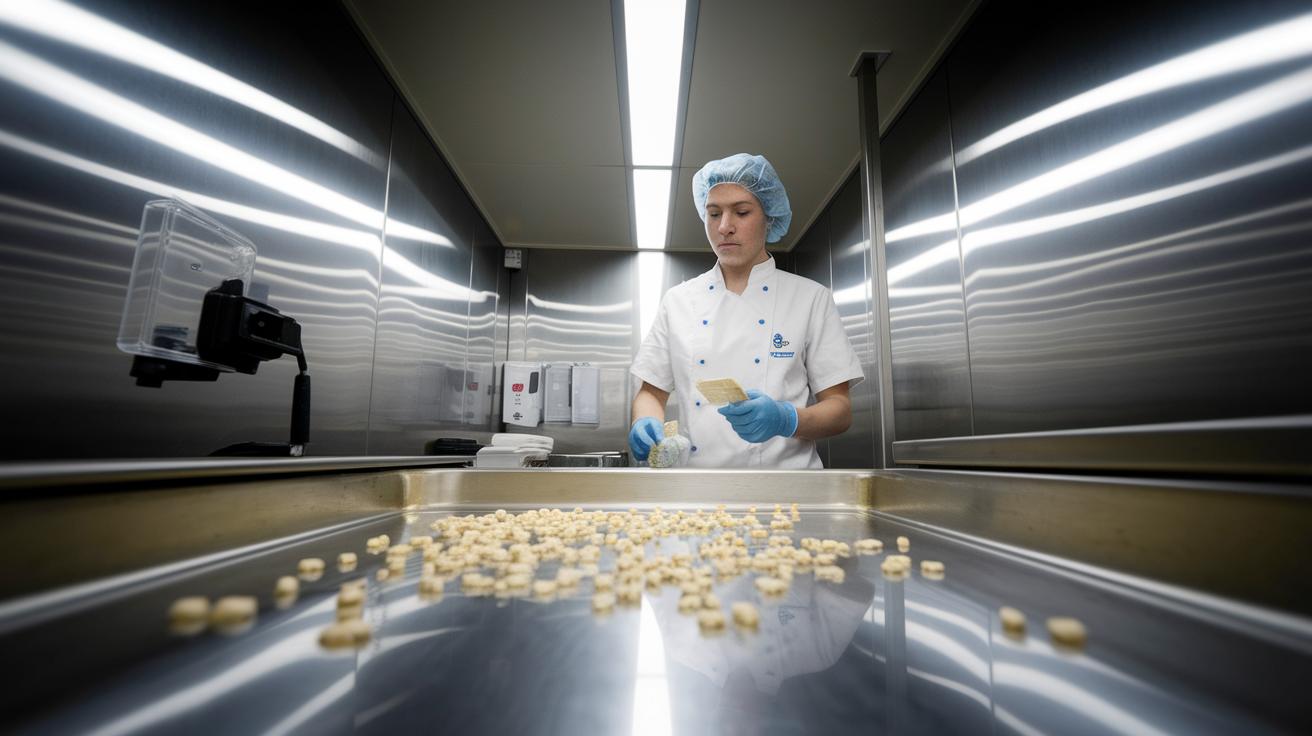
Keeping food safe means checking every step of production for potential risks. Teams follow a clear plan to spot where hazards like bacteria, toxins, or pieces of glass might appear.
There are three main types of hazards:
| Type | Examples |
|---|---|
| Biological | bacteria, viruses |
| Chemical | toxins, allergens |
| Physical | metal fragments, glass |
The process involves clear steps:
- Identify the ingredients and production tasks.
- List all possible hazards linked to these tasks.
- Match each hazard with a step in the process.
- Pick the steps that need strict control measures.
After gathering all the details, the food safety team, often following the HACCP method (a system to keep food safe), reviews everything to choose the best points for intervention. They focus on the steps where a small action can prevent risks from ever reaching consumers. Then, they set a regular check schedule, usually every 4 hours for continuous operations or at the end of each batch, to keep safety levels high. This careful review makes it clear which steps are vital and ensures that only the most critical points become final safety controls.
Decision Trees for Determining Critical Control Points in Food Safety

Decision trees are simple visual guides that help decide if a process step in food safety should be a critical control point (CCP). They work by asking clear yes or no questions like, "Can this step stop, remove, or lower a hazard?" This breaks down tough safety choices into a series of steps that quickly show where strict controls are needed.
When mapping out a process, start by asking if the step directly tackles a hazard. Next, ask if a slip-up here could let the hazard reach the customer. Only steps that actively control risks are labeled as CCPs. Think of it like following a recipe: answer each question, and the tree points you to the final decision.
Even though using decision trees is optional, many experts say they make food safety plans clearer. Using these trees means applying the same set of questions every time, which helps teams decide which steps are truly important. This method builds a strong risk-based system that keeps production safe and reliable.
Establishing and Validating Critical Limits at Critical Control Points

Critical limits are specific, measurable benchmarks like temperature, time, or pH that help keep food safe during production. They give teams a clear target to hit, ensuring that every step avoids hazards and maintains safety. These well-defined standards form the backbone of a reliable food safety system, guiding every decision in the process.
Temperature controls play a key role in food safety. For example, ground beef patties must reach 160°F (71°C) inside to kill harmful germs like E. coli. Similarly, ingredients like peanuts and cereals are tested for toxins by measuring aflatoxin levels, which acts as a clear safety point. In flour processing, sieving helps remove impurities, protecting the product from contamination.
Regular checks on equipment keep these safety standards strong. Calibrated thermometers and pH meters are essential tools that ensure measurements stay accurate over time. If a reading falls outside the set limit, staff take quick action by adjusting the process, recooking the food, or discarding items that do not meet the criteria. Routine calibration and careful record-keeping help maintain these safety measures and protect public health.
Monitoring and Verification Protocols for Critical Control Points in Food Safety

The HACCP team follows a strict schedule to monitor food safety and quality. They check every batch and perform tests at least every 4 hours during continuous runs. Team members record key measurements like temperature and pH, along with clear notes and exact times. These regular checks catch problems early and keep food safety on track.
Keeping clear records is vital for controlling hazards. Every measurement and any corrective action is logged, creating an easy-to-follow audit trail. When a reading goes beyond safe limits, operators act quickly by adjusting the process or discarding the product. This careful documentation helps with fast fixes and builds trust in the food safety system.
Verification audits make sure that every critical control point stays in good shape. These audits include regular reviews of records, equipment calibration checks, and on-site observations. They help uncover any gaps and encourage improvements in food handling practices. Continuous verification makes sure production meets safety standards and regulatory requirements, raising overall safety.
Critical control points food safety: Elevate Standards

Food safety improves when you choose the right methods to control hazards. Some methods handle overall risks, while others focus on specific steps that are riskier. Only the actions that directly stop or cut down major dangers are known as Critical Control Points (CCP). Other practices are part of everyday safety measures that keep the whole process secure. The food industry uses different names for each control method to ensure everything, from handling ingredients to final packaging, is safe for consumers.
Control Points (CP)
These are the basic steps used at different stages to manage risks. They help keep the process steady but are not the last defense against serious hazards.
Prerequisite Programs (PRPs)
These set up the basic cleaning and hygiene habits in food processing areas. They create a safe environment right from the start.
Operational Prerequisite Programs (oPRPs)
These are special actions meant for the riskiest parts of production, like handling ingredients carefully. They act as an extra safety net before reaching a critical stage.
In a strong safety system, CPs watch over the entire production, while PRPs build a clean, safe base. oPRPs add extra care when needed, and CCPs take charge when any error can lead to big risks. Each layer works together to create a solid food safety plan that meets strict quality standards and keeps operations under constant risk check.
Examples of Critical Control Points Across Food Production Stages
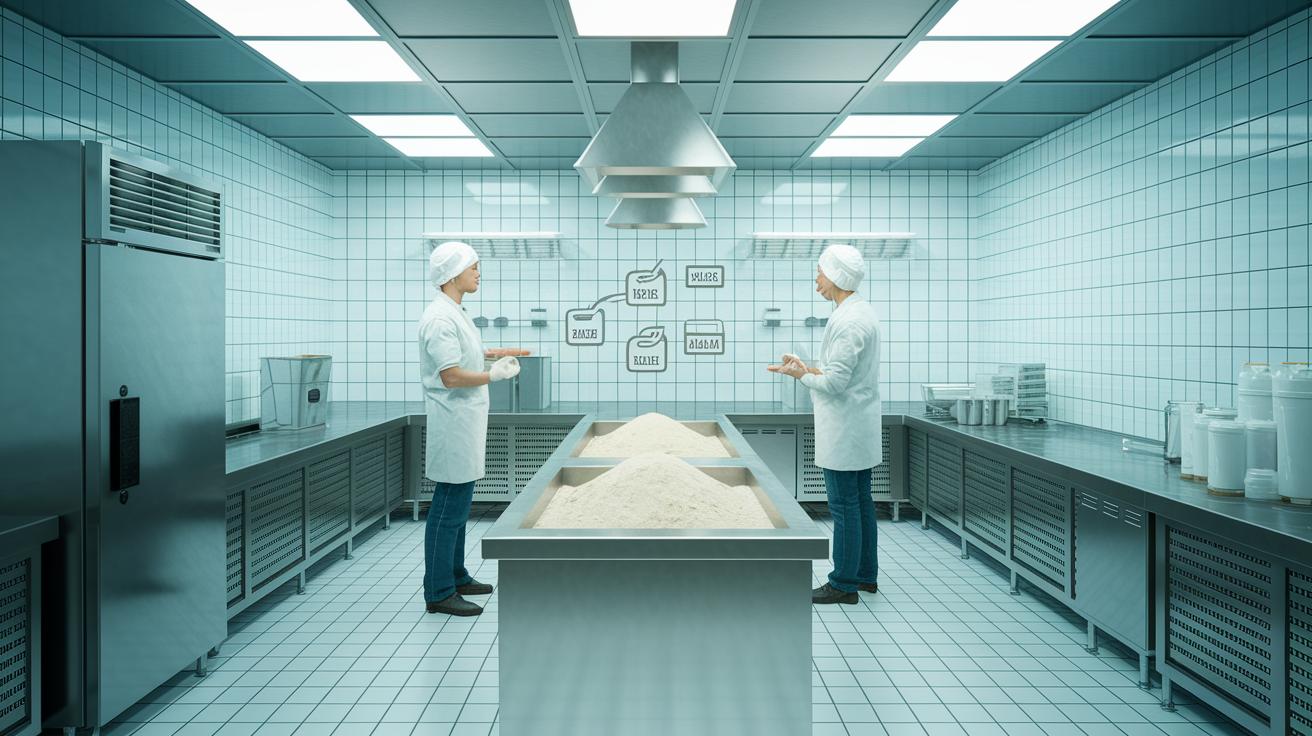
This section shows extra examples of critical control points that build on earlier advice. Besides common measures like keeping food refrigerated and cooking at the right temperature, we also include steps such as batch testing (checking food samples for toxins) and monitoring flour processing for contaminants.
| Production Stage | Hazard Type | CCP Step | Critical Limit |
|---|---|---|---|
| Raw Meat Storage | Biological | Cold Storage | ≤40°F (4°C) |
| Cooking Process | Biological | Thermal Cooking | 160°F (71°C) |
| Hot Holding | Biological | Temperature Maintenance | ≥140°F (60°C) |
| Post-cooking Cooling | Biological | Rapid Cooling | Within 2-4 hours |
| Batch Testing | Chemical | Toxin Testing | Aflatoxin below set level |
| Flour Processing | Physical | Filth Detection | Zero tolerance |
These examples help narrow down which steps need close monitoring. By adding techniques like batch testing and flour checks, food safety teams get clear guidelines to catch small missteps before they lead to serious hazards. This approach makes it easier to keep a close watch on food production and ensure quality from start to finish.
Integrating Critical Control Points into HACCP Plans for Regulatory Compliance
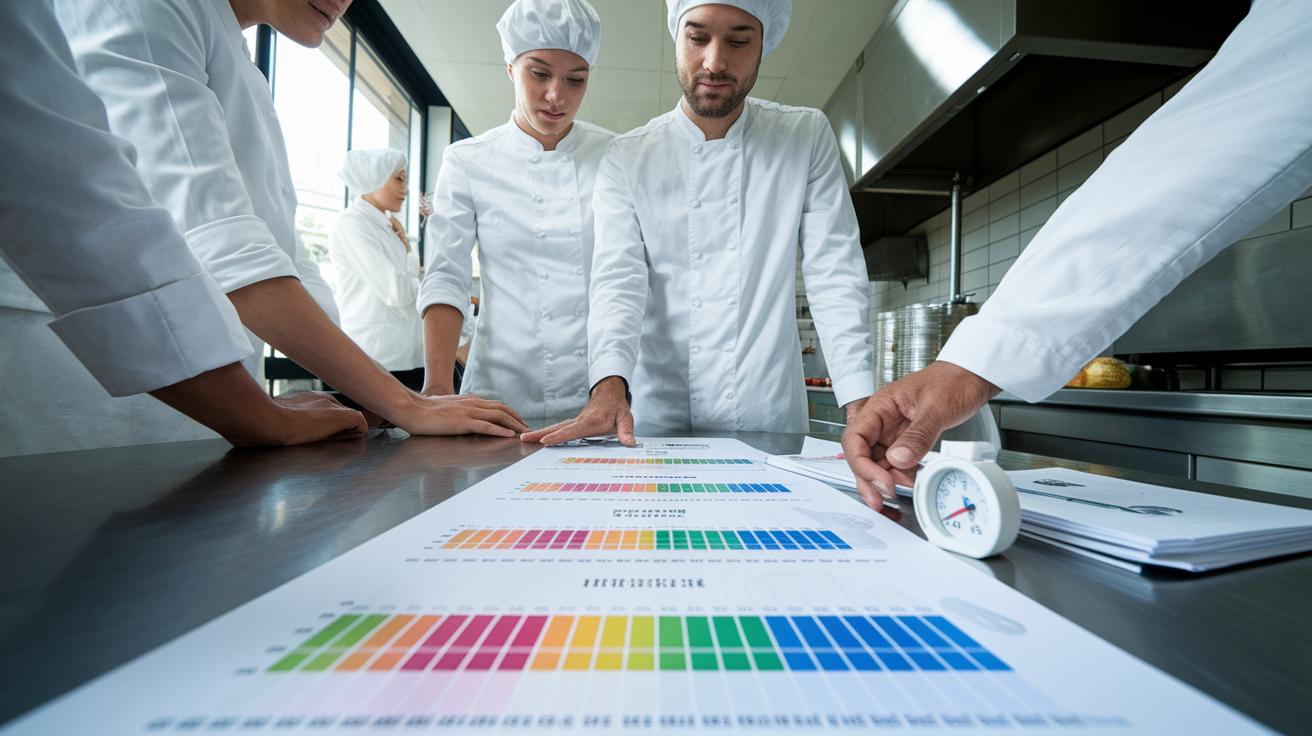
In Australia, food businesses must run a Food Safety Program that meets the Australia New Zealand Food Standards Code. This law requires identifying key points where hazards can be prevented, removed, or reduced. By adding Critical Control Points (CCPs) into their programs, companies can keep food poisoning and severe allergen exposure risks very low.
HACCP plans must list every CCP along with its specific limits, such as exact temperature settings or toxin levels. These plans also describe how to regularly check each point, record the time and results, and outline steps to take if a limit is exceeded. Keeping organized records, including logs for device calibration, is crucial to show that safety standards are met every day.
Including CCPs in HACCP plans doesn’t just help with food safety laws; it also supports certification for managing hazards throughout the supply chain. This careful record-keeping and routine review of procedures drive ongoing improvements. In turn, food safety practices remain strong, building trust among regulators, inspectors, and the public.
Final Words
In the action, this article explored how critical control points food safety set the stage for safe food production. It detailed hazard types, decision-tree logic, and the importance of establishing clear thresholds.
The discussion unpacked differences among control points, prerequisite programs, and real-world examples. Integrating these elements into HACCP plans keeps food processes secure and compliant. The focus on practical steps leaves us confident in making smarter food choices every day.
FAQ
What do “Critical control points food safety quizlet” and “critical control points food safety pdf” refer to?
They refer to online study aids that explain critical control points by offering definitions, examples, and guidelines. These resources help students and professionals quickly grasp food safety concepts.
What are examples of critical control points in food safety?
Examples include ensuring proper cooking temperatures, rapid cooling of cooked foods, strict allergen separation, and safe storage of raw ingredients. These steps target biological, chemical, and physical hazards.
What does HACCP critical control points mean?
HACCP critical control points are specific stages in food processing where actions directly prevent, eliminate, or reduce hazards. They form an essential part of a HACCP-based food safety plan.
What are critical limits in food safety?
Critical limits are measurable thresholds, such as a specific temperature, time, or pH level, that a process must meet to effectively control or eliminate a food hazard.
How are critical control points determined?
Critical control points are determined through hazard analysis by mapping each production step, identifying potential hazards, and selecting those stages where control measures directly reduce risk.
What are the 7 critical control points?
There is no universal set of seven control points because food processes vary. Some operations list stages like receiving, storage, processing, cooking, cooling, reheating, and serving as key points.
What are not critical control points for food safety?
Steps such as routine cleaning and maintenance do not qualify as critical control points because they support overall hygiene but do not directly eliminate or reduce significant food hazards.
What are the 5 C’s in food safety?
The 5 C’s refer to key safety factors—cleaning, cooking, chilling, cross-contamination prevention, and compliance—that serve as basic guidelines to maintain overall food safety.