


Have you ever thought about how your weekly grocery run might be influenced by clever tactics from the biggest players in the market? Top grocery chains in America are blending local warmth with smart strategies to change how we shop.
Big names like Walmart and Publix offer a range of store formats to meet different needs. Their extensive reach and strong sales have made them leaders in setting food trends.
Keep reading to find out how these stores continue to shape our everyday shopping experiences.
Major U.S. Grocery Store Chains at a Glance
America's grocery scene is led by a few major players. Stores like Walmart and Publix set high standards with their wide reach, fair pricing, and smart use of technology. They offer many store types, from big supercenters to smaller franchise shops, bringing a local feel with a national presence.
| Chain | U.S. Store Count | 2022 Revenue ($B) | Headquarters |
|---|---|---|---|
| Walmart | 4,606 | 572.8 | Bentonville, AR |
| Aldi | – | – | Batavia, IL |
| Target | 1,900+ | – | Minneapolis, MN |
| Publix | 1,350+ | – | Lakeland, FL |
| Food Lion | 1,100+ | – | Salisbury, NC |
| Sam’s Club | 600+ | – | Bentonville, AR |
| Whole Foods Market | 500+ | – | Austin, TX |
| Piggly Wiggly | – | – | Keene, NH |
| Stop & Shop | 400+ | – | Quincy, MA |
| ShopRite | 350+ | – | Keasbey, NJ |
These top ten chains hold a large share of the grocery market. Their mix of store styles, smart use of resources, and regional expertise drives new ideas in supply chains, online ordering, and product choices. Their presence in cities, suburbs, and rural areas continues to shape how Americans shop for food.
Regional Leaders in Grocery Store Chains
Texas Regional Chains
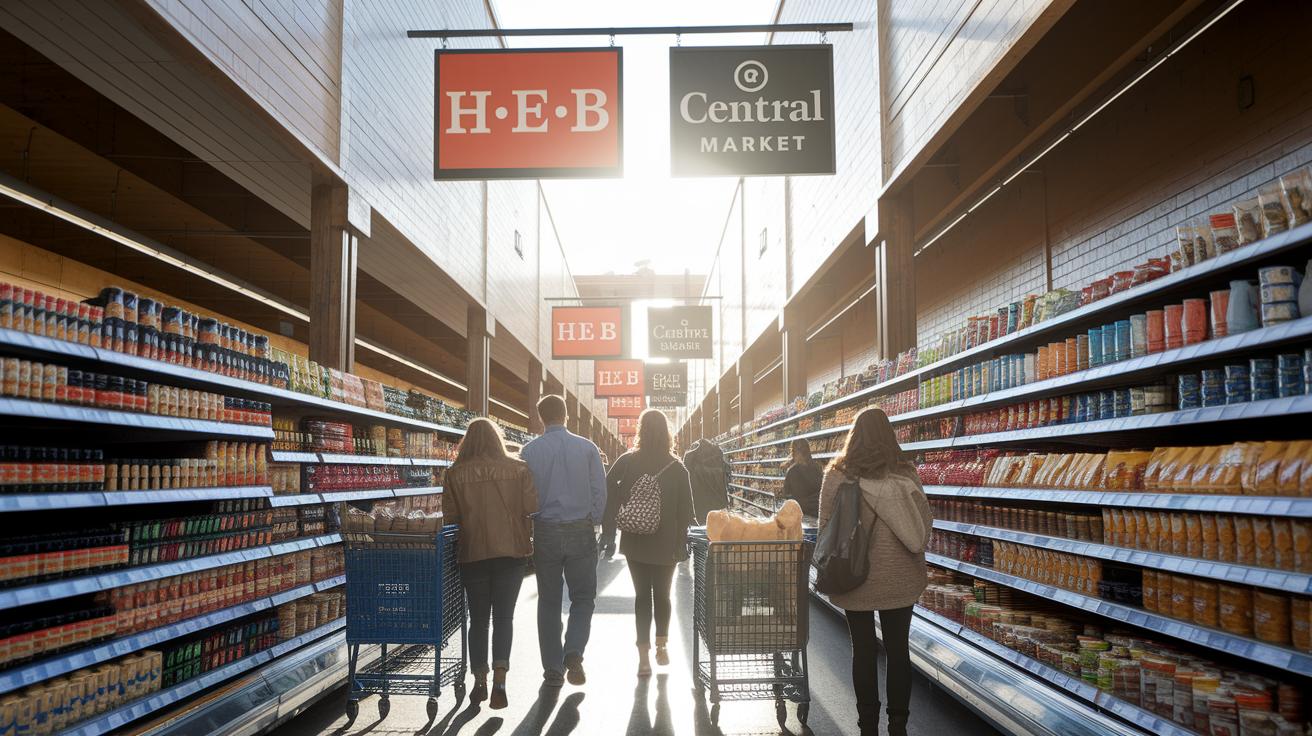
In Texas, local grocery chains excel by sourcing food locally and offering products that reflect the community's tastes. H-E-B and Central Market, both based in San Antonio, together run over 400 stores. They truly understand Texas flavors and customer needs. Brookshire Grocery Co.'s Super 1 Foods in Tyler adds more than 200 locations, ensuring shoppers find products that feel right at home.
NYC Market Innovators
In the New York City area, grocery stores are updating their traditional formats to match the fast pace of urban life. Price Chopper, located in Schenectady, operates 135 stores and focuses on fresh, ready-to-eat options and quick service. Local grocers in the Northeast are also embracing new technology and carefully selected products to cater to the unique demands of city dwellers.
West Coast Premium Providers
On the West Coast, upscale grocery chains emphasize high-quality products and customized shopping experiences. Raley's runs 130 stores in California and Nevada, offering selections that mirror local culinary trends. In San Bernardino, Stater Bros. Markets, along with Grocery Outlet from Emeryville, which boasts over 400 stores, balance affordable pricing with a premium shopping feel. They remain dedicated to offering carefully chosen products and excellent service.
Evolution and History of Grocery Store Chains in the U.S.
In 1859, The Great Atlantic & Pacific Tea Company opened its doors and set a new course for shopping. Early grocery stores began to fill a single location with many products. In 1916, Piggly Wiggly changed the game by letting customers pick items themselves instead of relying on clerks. This simple idea improved the shopping experience and laid the path for future store upgrades.
The changes continued into the mid-1900s. In 1962, Sam Walton launched Walmart Discount City, a big store that mixed groceries with other types of goods. Then in 1983, Costco introduced a membership warehouse model that offered bulk goods at low prices. These steps show how ideas like self-service, supercenters, and warehouse clubs joined together to reshape grocery shopping in the United States.
Industry Trends Shaping Grocery Store Chains
Today, shoppers want a quick and smooth grocery experience with a digital twist. Grocery stores are answering the call by adding smart digital tools, faster deliveries, and more personalized touches. Shoppers now compare prices, seek easy experiences, and demand fresh options. In response, the industry is using new tech and clever pricing tactics.
Food costs have surged too. In early 2024, prices jumped 25% compared to January 2020. Experts predict a further 2.2% rise in food prices in 2025, and egg prices could go up by about 20%. Meanwhile, online grocery sales climbed from $95.8 billion in 2023 to $104.4 billion in 2024, with a 17.7% jump in just the second half of 2024.
These shifts signal a market on the move, where technology and local flavors shape every purchase.
Key trends include:
- Inflation pressures: Higher prices squeeze shoppers, and stores must balance rising costs while keeping shelves full.
- Online boost: More people are shopping online, changing how groceries get delivered and stocked.
- AI in action: Tools like automated checkouts and mobile ordering systems speed up service and add a personal touch.
- Local flavor: Retailers like H-E-B mix in local choices to cater to regional tastes beyond the usual offerings.
- Health-driven choices: As more shoppers focus on healthy eating, stores are expanding options in plant-based, organic, and gluten-free products.
Grocery stores need to keep up with these trends to stay competitive. New digital systems, smart pricing tools, and personalized services are essential to meet ever-changing customer needs. By mixing advanced tech with local touches, retailers can build lasting customer loyalty while tackling rising costs and evolving shopping habits.
Strategies of Leading Grocery Store Chains
Big grocery chains are raising profits by leaning hard into their own store brands. Trader Joe's stands out with secret, unique items, and Kroger’s Simple Truth line wins loyal fans with quality products. These examples show that investing in your own brand can boost profits and give shoppers reliable, everyday options.
Digital loyalty programs now play a major role in keeping customers happy. Many stores offer app-based points, send personalized e-coupons, and even let you scan items for quick checkout. This method builds strong customer bonds and provides useful data for crafting better deals down the road.
Improving the supply chain is another vital step. Retailers are streamlining operations with local distribution centers, eco-friendly transport options, and smart cold-chain technology (which keeps perishable goods cool). These improvements help cut waste, lower delivery costs, and keep shelves stocked with fresh products.
Offering different store formats lets major chains meet diverse customer needs. Big supercenters like Walmart provide a one-stop shopping experience, while Kroger Fresh Grocer offers a friendlier neighborhood vibe. Compact UrbanTowns bring convenience to busy city areas. A mix of store types helps reach many shoppers and ensures that the right products are available at the right time.
Comparing Store Locators for Major Grocery Store Chains
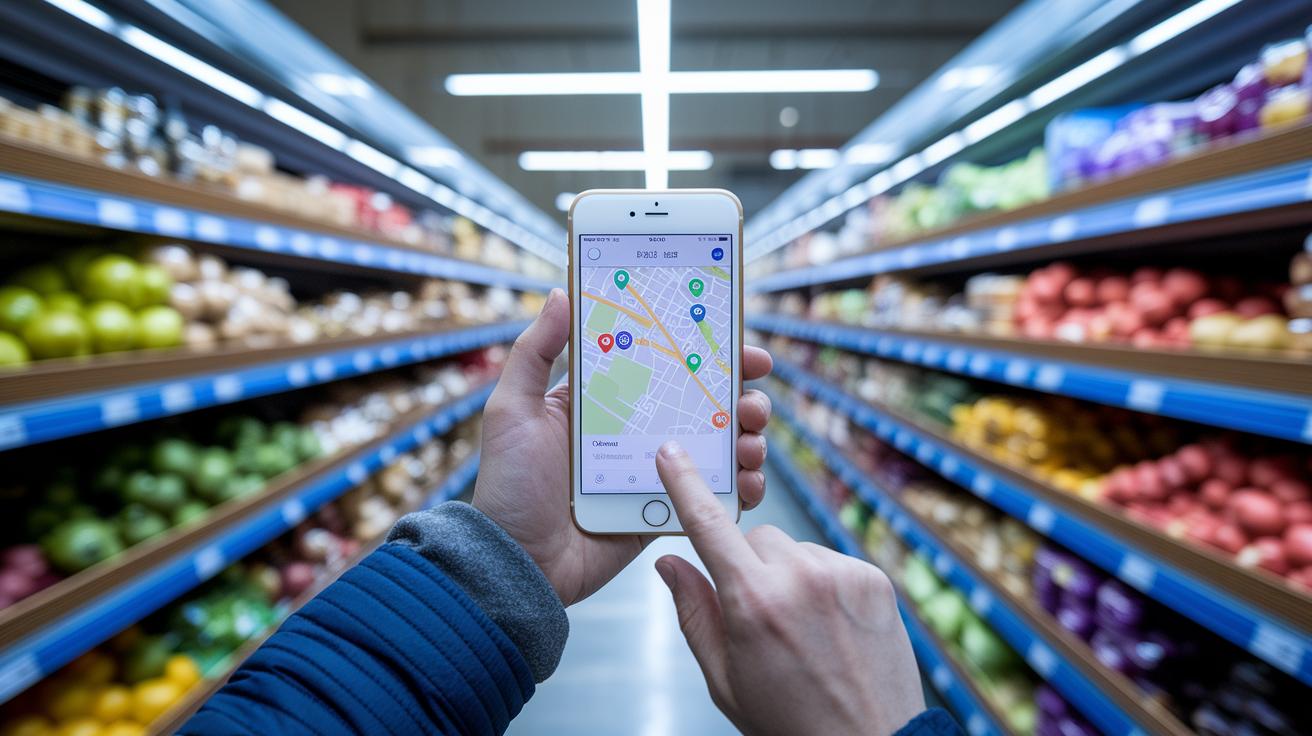
Store locators help you quickly spot nearby grocery options, compare what each store offers, and make fast choices that suit your day. They use interactive maps, live updates on what’s in stock, and options just right for order pickups to connect you with your favorite food spots.
| Chain | Locator Features | Pickup/Delivery | App Integration |
|---|---|---|---|
| Walmart | Interactive map with filters | Curbside pickup, delivery areas | N/A |
| Kroger | In-app search by service | N/A | Real-time inventory look-up |
| Whole Foods Market | Member-specific locators | N/A | Amazon Prime integration |
| Target | Interactive store finder | Drive Up, same-day delivery via Shipt | N/A |
When you compare grocery chains, choose one with a clear, easy-to-use locator. This way, you can pick the service that fits your budget and schedule, whether you prefer grabbing an order curbside or using a smooth in-app feature to check stock.
Future Outlook for Grocery Store Chains
The grocery market is changing fast because of new technology and a push for greener ways to shop. Stores are now using smart inventory systems powered by AI that can cut food waste by 10 to 15%. In addition, in-store systems help speed up operations and make shopping more enjoyable. Many eco-friendly cooperatives and zero-waste shops are also starting up with features like solar panels and plastic-free aisles. These fresh ideas attract shoppers who care about the planet.
New businesses are jumping on these changes too. They offer groceries that are built around modern digital platforms and a wide mix of products that suit today’s tastes. Big names like Amazon Fresh are expanding and updating their services, while local brands roll out smart pricing and personalized product choices. This trend meets the needs of shoppers who are both tech-savvy and eco-aware.
Final Words
In the action, we saw how major U.S. food chains play out in multiple areas, from market size and regional roots to innovative tech and loyalty programs. The post reviewed the evolution and strategies of both big names and local winners. We compared store locators and discussed trends shaping tomorrow's food retail sector. It’s clear that grocery store chains continue to adapt with creativity and efficiency. The future looks bright as these leaders evolve to meet fresh consumer demands.
FAQ
What are the major and top grocery store chains in the U.S.?
The major U.S. grocery chains include Walmart, Aldi, Target, Publix, Food Lion, Sam’s Club, Whole Foods Market, Piggly Wiggly, Stop & Shop, and ShopRite. These chains make up the top 10 supermarkets and big 6 leaders by store count and revenue.
Which grocery store chains have a strong presence near California and Texas?
Grocery chains near California include Raley’s, Stater Bros. Markets, and Grocery Outlet, while Texas is served by H-E-B and Central Market. These chains focus on local tastes and tailored assortments for their regions.
What is the 5 4 3 2 1 grocery rule?
The 5 4 3 2 1 grocery rule is a guideline for balancing your shopping list across food groups. It helps shoppers plan nutritious meals while managing budgets through a structured approach to grocery buying.