


Have you ever wondered what gives some foods their super-fuel status? Avocados might hold the answer. This creamy fruit packs 227 calories of heart-healthy fat, helping you feel full while fueling your day. It’s loaded with fiber, vitamins, and minerals that build strong muscles and bones. It also brings vitamin C, vitamin E, and folate for an extra immune boost. In this post, we unpack the simple facts behind this nutritious delight and explain why avocados are a smart pick for a balanced diet.
Avocado Nutrition Facts: Pure, Nutritious Bounty
A ripe avocado weighing 138 g offers a solid mix of energy and nutrients. It delivers 227 kcal with 21.0 g of fat, 2.7 g of protein, and 11.8 g of carbohydrates. Its smooth, buttery texture provides 9.2 g of fiber and just 0.4 g of sugar. On top of that, it brings essential vitamins like 10 mg of vitamin C, 2.07 mg of vitamin E, and 81 µg of folate to help support your immune system and cell health. Enjoy this nutrient-dense fruit sliced on toast or blended into a smoothie for an added boost.
Avocados also pack an impressive lineup of minerals. With about 485 mg of potassium (vital for heart health), 29 mg of magnesium, and 12 mg of calcium, they help maintain strong bones and healthy muscles. USDA data backs up these numbers, showing that avocados are a tasty way to stay well-nourished. For even more details on vitamins and minerals, check out the “Vitamin Content in Avocados” and “Mineral Composition of Avocado” sections.
| Nutrient | Amount per 138 g |
|---|---|
| Calories | 227 kcal |
| Total Fat | 21.0 g |
| Protein | 2.7 g |
| Carbohydrates | 11.8 g |
| Fiber | 9.2 g |
| Sugar | 0.4 g |
| Vitamin C | 10 mg |
| Vitamin E | 2.07 mg |
| Folate | 81 µg |
| Potassium | 485 mg |
| Magnesium | 29 mg |
| Calcium | 12 mg |
For a deeper look at the nutrient details, please refer to the “Vitamin Content in Avocados” and “Mineral Composition of Avocado” sections.
Vitamin Content in Avocados: Essential Micronutrients
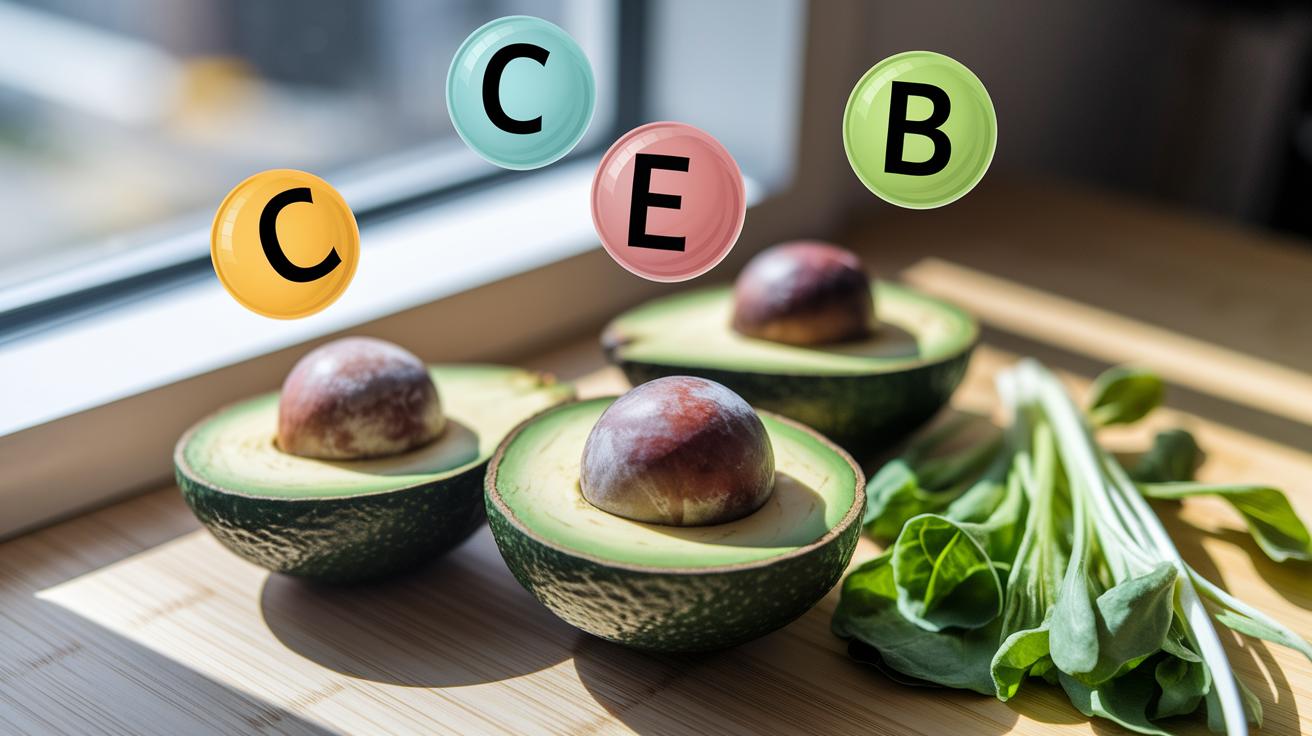
Avocados pack a range of vitamins that work together to keep your body running well. They come with healthy fats that help your body absorb key nutrients like vitamin E and carotenoids, which protect your cells. The B vitamins and folate in avocados help turn food into energy and support healthy cell growth, filling in nutritional gaps in everyday meals.
This guide explains more than just numbers. It shows how avocado fats help your body get the most from its vitamins, with vitamin C boosting your immune system and vitamin E joining forces with antioxidants to keep cells strong.
- Vitamin C: 10 mg per serving – Boosts immune health and helps protect cells from damage.
- Vitamin E: 2.07 mg per serving – Teams up with antioxidants to support skin and cell health.
- Folate: 81 µg per serving – Aids in cell growth and division.
- B Vitamins: Help convert food into energy and support proper nerve function.
Mineral Composition of Avocado: Potassium and More
A single serving of avocado comes loaded with nearly 485 mg of potassium. This mineral helps your heart run smoothly by keeping fluids balanced and blood pressure steady. Avocados also bring in magnesium and calcium, which work together to relax muscles and keep bones strong. In fact, long before they became known as a superfruit, people noticed that avocados naturally supported heart health and proper hydration.
Besides these main minerals, avocados have a mix of trace elements that help your body produce enzymes and repair cells. Recent studies show that the mineral blend in avocados holds its own against other fruits and vegetables, making them a smart, tasty choice to add to your daily diet.
Fiber Levels and Antioxidant Compounds in Avocados

One avocado contains 9.2 g of dietary fiber, which is nearly 50% of what you need each day. This fiber helps your digestion run smoothly by nudging your gut into action and feeding the good bacteria. It acts like a gentle helper that keeps your bowel movements regular and helps you feel full longer. Plus, this fiber works to keep your blood sugar steady, which makes avocado a smart pick for any meal.
In addition to fiber, avocados pack a range of antioxidants. Among these are carotenoids (natural pigments that help protect cells) and phenolic compounds (plant chemicals known for fighting damage). They work to neutralize free radicals (unstable molecules that can harm your body), cut down inflammation, and shield your cells from everyday stress. With every creamy, mild bite, you boost your nutritional defenses while enjoying a rich, satisfying texture.
Serving Size Details and Calorie Density Comparison
A full avocado weighs 138 g and delivers 227 kcal. That means each gram offers about 1.6 kcal. Compared to many fruits, this avocado packs more energy thanks to its rich natural fats. Even a half avocado can give you a solid boost.
When you cut an avocado in half, each half weighs 69 g and supplies roughly 114 kcal. This size works great for a snack or as a side without pushing you over your daily calorie count. Seeing the differences between whole and half servings can help you plan meals more easily.
| Serving | Weight (g) | Calories |
|---|---|---|
| Whole avocado | 138 | 227 kcal |
| Half avocado | 69 | 114 kcal |
Tips for Maximizing Avocado Nutrient Absorption

Avocados are rich in natural fats that help your body absorb vitamins A, D, E, and K from other foods. Try adding sliced avocado to a fresh salad with greens and diced carrots. The creamy texture of the avocado works nicely with the crunch of the vegetables, letting your body get the most nutrition.
Another smart tip is to blend avocado into your smoothies or dressings. Mix avocado with fruits like mango or citrus (which are high in vitamin C) to create a tasty, nutrient-rich drink. For example, blend avocado with a handful of spinach and a splash of orange juice for a refreshing boost.
You can also use avocado as a topping on dishes that already pack vitamin-rich ingredients. A small scoop on top of steamed fish or lightly sautéed veggies not only enhances the flavor but also helps your body take in more vitamins from the dish. Enjoy every bite knowing you are getting the best mix of taste and nutrition.
Final Words
In the action, our coverage broke down a ripe avocado’s impressive nutrient layout. We highlighted key details from the USDA green produce data, using clear tables and concise text to showcase avocado nutrition facts. The post compared serving sizes, detailed vitamin levels, and explained the fruit’s fiber and antioxidant content. Meal pairing tips showed how to boost fat-soluble vitamin uptake, offering practical advice for enhancing nutrient absorption. This fresh look empowers smart food choices and celebrates the fruit’s many benefits.
FAQ
What are the nutrition facts for various avocado serving sizes, including 100g, whole, half, medium, small, and Hass varieties?
The avocado nutrition facts vary by serving size. A whole avocado (138 g) provides around 227 kcal, 21 g fat, 2.7 g protein, and key micronutrients, while smaller portions adjust these values based on weight.
What does the avocado nutrition profile reveal about omega 3 content?
The avocado nutrition facts for omega 3 show modest amounts. Though not a significant source like fish, avocados supply healthy monounsaturated fats, which include lower levels of omega 3 for balanced fat intake.
How healthy is eating an avocado a day?
Eating an avocado a day can benefit overall health by providing healthy fats, fiber, vitamins, and minerals. Regular consumption may support heart health and help maintain a balanced diet when portions suit calorie needs.
Why do some doctors advise caution about eating avocados?
The avocado nutrition profile sometimes raises concerns due to its high calorie density and fat content. Some doctors recommend moderation, especially for those on calorie-restricted diets, to maintain balanced nutrition.
Which is better for you, a banana or an avocado?
Comparing banana and avocado, each offers unique benefits. Avocados provide healthy fats and fiber, while bananas deliver quick energy with natural sugars and potassium, making the choice dependent on your nutritional goals.
Is avocado primarily a source of protein or fat?
The avocado nutrition profile shows that it is mainly fat, with most calories coming from healthy monounsaturated fats. It also supplies modest protein and carbohydrates, making it a nutrient-dense addition to meals.