

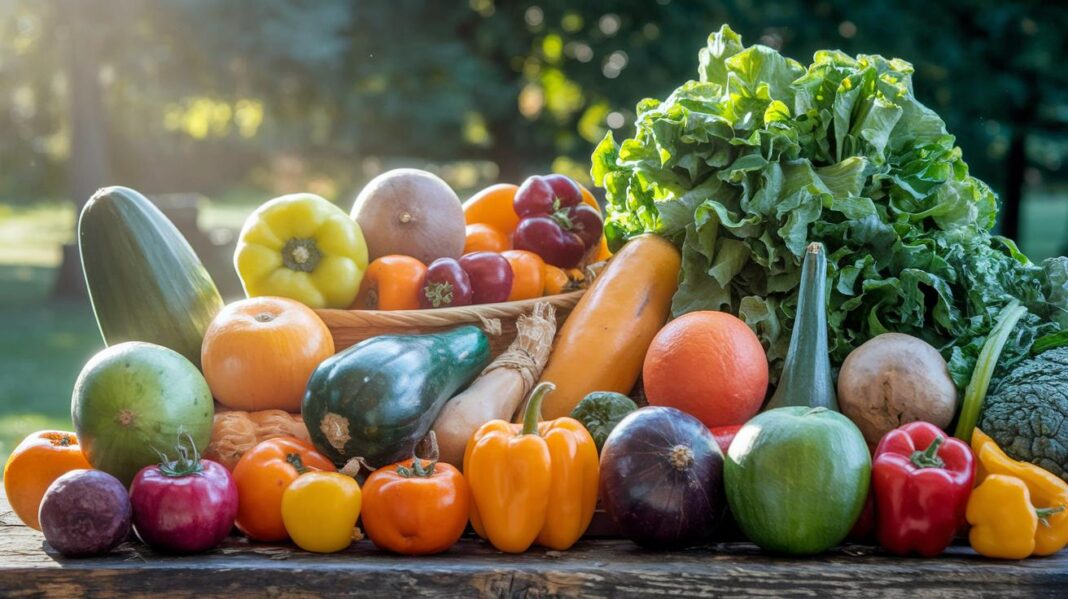

Have you ever wondered if clean eating is more than just a fad? Some people say it fills you with energy and helps you feel balanced, while others aren’t so sure. Clean eating means choosing whole foods such as crisp fruits, fresh vegetables, lean meats, and whole grains instead of processed items that hide unwanted ingredients. This way of eating can give you a natural boost and help your digestion run smoothly. In this post, we explain what clean eating is all about and share simple, natural swaps that can make you feel truly radiant.
Understanding Clean Eating: Definition & Core Principles
Clean eating is all about choosing foods in their natural state. It means picking fruits, vegetables, lean proteins, and whole grains over items with artificial additives. Picture biting into a crisp apple that tastes just like nature intended.
With clean eating, you move away from packaged foods and lean toward those rich in fiber, vitamins, and minerals. This method encourages you to read ingredient labels closely. Avoid items with mysterious names or chemical codes that could hide added sugars, salts, and unhealthy fats.
Clean eating focuses on balance. It isn’t about cutting out one type of food; it’s about building a diet from nature’s best ingredients. Instead of reaching for heavily processed snacks, this approach can lead to better digestion, steady energy, and overall well-being. Ultimately, clean eating is about knowing exactly what goes into your meals and letting real food be your guide.
Core Benefits of a Clean Diet and Nourishing Meal Guidelines
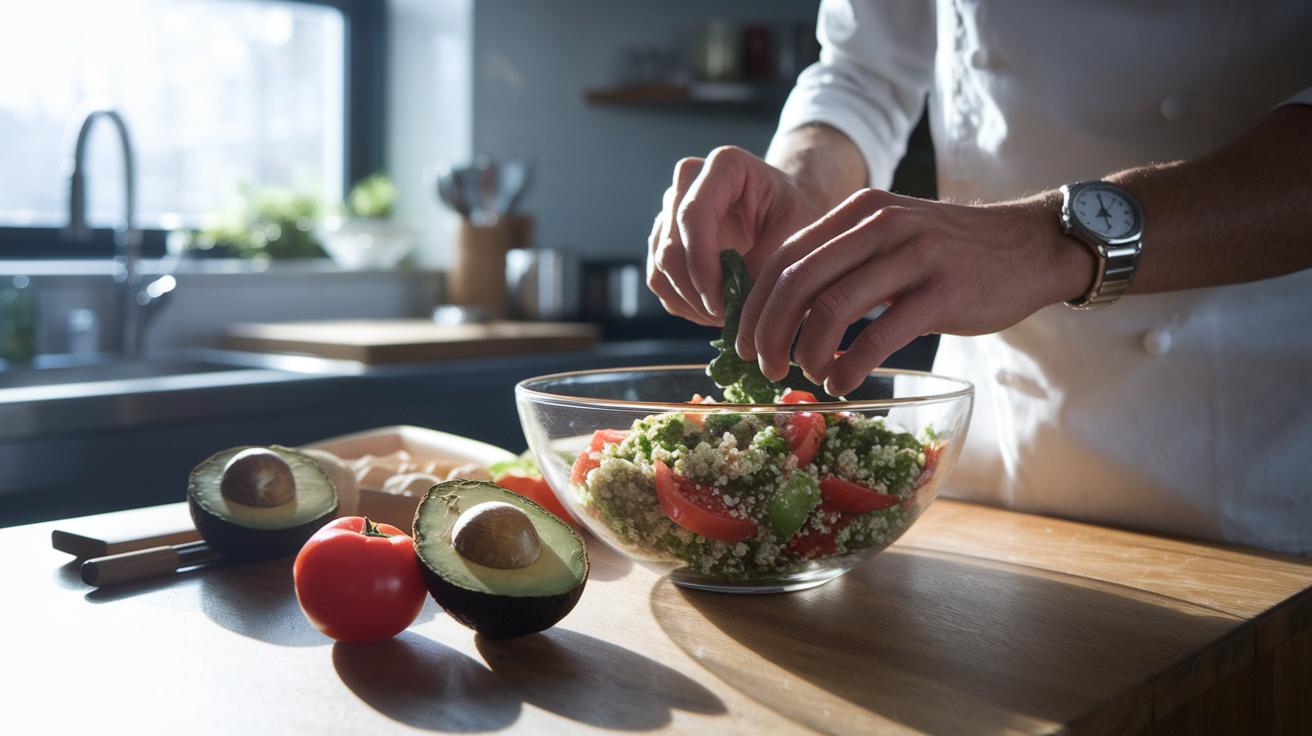
Switching from processed foods to nutrient-packed choices can boost your energy and help your digestion work better. Chef Mia from Brooklyn changed her family dinners by replacing store sauces with a homemade salad made from avocado, tomato, and quinoa. She said, "Prepping meals ahead, like slicing an avocado with a little lemon, made our busy evenings easier and gave us a noticeable energy boost."
A local nutrition study shows that even small changes, like starting your day with a fiber-rich smoothie, can help sharpen your focus and improve digestion over time. Try this tip: swap sugary cereal for a smoothie made with spinach, banana, and chia seeds. In fact, one participant reported a 15% rise in daily energy after changing her breakfast routine.
Finding the switch to clean eating can be tough sometimes. Here are a couple of easy ideas to help:
- Cook meals in batches on weekends for busy days.
- Shop at local farmers' markets to keep ingredient costs down.
| Challenge | Real-World Tip |
|---|---|
| Time Management | Cook meals in batches on weekends. |
| Ingredient Cost | Shop at local farmers’ markets for seasonal produce. |
Clean Eating What Does It Mean: Feel Radiant
Start your shopping in the produce aisle. Fill your basket with crisp fruits and vibrant vegetables that set the stage for a natural diet. Check labels carefully to avoid extra sugars, salts, artificial flavors, and preservatives. When you cook at home, you know exactly what goes into your meal. Think about tossing together a bright salad or a sizzling vegetable stir-fry that lets natural ingredients shine.
Swap sugary drinks for water, unsweetened tea, or a splash of infused water. These choices not only quench your thirst but let the real flavors stand out. And if fresh produce is hard to find, canned or frozen fruits and veggies work well, too. Just give canned vegetables a quick rinse to wash off extra salt for a cleaner taste.
Here are a few simple tips for a clean, natural diet:
- Shop the produce aisle first.
- Read labels to steer clear of hidden additives.
- Cook at home to keep ingredients clear.
- Pick certain meals or days to focus on clean eating.
Try swapping store-bought snacks with something homemade. Small changes like these help you skip processed ingredients, making your eating routine easy, cost-friendly, and full of bright, healthy energy.
Debunking Myths and Misconceptions about Pure Food Philosophy

Many folks think clean eating means completely cutting out processed foods. That’s not true. Clean eating is about balance and moderation. Think of it like keeping your favorite worn jeans in your closet, they still fit your style even if they're a bit faded. Fresh produce and whole grains deliver more fiber and essential vitamins than their refined versions. Yet, enjoying a few processed foods now and then won't throw off your balance.
- Myth: Clean eating is super strict.
- Fact: A few minimally processed foods can easily be part of a healthy diet.
- Observation: Frozen fruits and vegetables keep almost all of the nutrients found in fresh ones.
Studies show that including a mix of foods, even some that are minimally processed, helps keep your diet flexible and packed with nutrients. Enjoy each bite and remember that balance is the key to great eating.
Quick Meal Ideas and Wholesome Recipes for Clean Eating
Start your day with recipes that use real, colorful ingredients. Enjoy meals packed with fiber and vitamins to keep you energized from morning until night. These simple dishes let natural flavors shine so you can taste every ingredient in its purest form.
Try these easy, nutritious meal ideas:
- Steel-cut oatmeal with fresh berries and sliced almonds. This breakfast offers plenty of fiber, antioxidants, and healthy fats.
- A quinoa salad mixed with vegetables, chickpeas, and finished with a lemon-herb dressing. It is a light meal rich in plant-based protein and essential minerals.
- Grilled salmon served with steamed broccoli and brown rice. This dish provides omega-3 fatty acids, high-quality protein, and lasting energy.
- A mixed greens salad with avocado, cherry tomatoes, and olive oil. Enjoy the creamy texture of avocado with the crisp taste of fresh vegetables.
- Homemade vegetable soup filled with lentils and kale. Warm and hearty, it offers vitamins, minerals, and a good dose of fiber.
Each recipe uses whole, fresh foods to create balanced dishes that work for breakfast, lunch, dinner, or a filling snack. Enjoy the natural flavors and feel vibrant every day.
Final Words
In the action, we broke down the clean eating principles, from choosing whole foods to reading labels and cooking at home. Our discussion covered everything from the basics to quick meal ideas that boost energy and support wellness.
We showed how clean eating what does it mean by embracing simple, natural choices that lead to a healthier life. Every step can make a difference, so enjoy bringing these fresh, reliable tips into your daily routine.
FAQ
Q: What exactly is clean eating, and what can I eat on a clean eating diet?
A: Clean eating means choosing whole, unprocessed foods that remain close to their natural state. This approach features fruits, vegetables, lean proteins, and whole grains while steering clear of additives and refined sugars.
Q: How can beginners eat clean and follow a clean eating meal plan?
A: Beginners can start by shopping for fresh produce and cooking most meals at home. Simple meal plans highlight nutrient-rich ingredients and clear recipes to build a consistent, wholesome diet.
Q: What clean eating recipes should I try, and which foods should be avoided?
A: Clean eating recipes focus on natural ingredients like fruits, vegetables, and lean proteins. Foods to avoid are processed items containing artificial flavors, extra sugars, and unnecessary additives.
Q: Is clean eating good for you, and what are its benefits?
A: Clean eating supports overall health by providing more vitamins, fiber, and minerals from whole foods. It can boost energy, improve digestion, and help manage weight through balanced nutrition.
Q: What does a 30-day clean eating food list or PDF offer?
A: A 30-day clean eating food list provides a structured guide to whole, nutrient-dense foods, making meal planning easier and helping establish consistent, healthy eating habits over time.
Q: What should I avoid when practicing clean eating?
A: You should steer clear of foods high in artificial additives, processed sugars, refined grains, and excessive salt. Keeping meals simple and unprocessed maintains the true benefits of clean eating.
Q: What do 10 days of clean eating do to your body?
A: Ten days of clean eating often lead to better digestion, increased natural energy, and reduced inflammation as your body adjusts to a nutrient-rich diet free from heavy processing.