



Have you ever thought that your food could do more than just fill you up? Functional foods work like a little helper by packing extra vitamins and minerals into each bite. They boost your energy, support smooth digestion, and help keep your immune system strong. In this article, we share five ways these nutrient-packed foods can give you a daily boost. Whether you need more energy or a balanced feeling throughout the day, adding functional foods might be the simple change you’ve been looking for.
5 Health Benefits of Functional Foods: Feel Great
Functional foods are made to do more than just fill you up. Updated on March 14, 2025, these items pack extra vitamins, minerals, and important nutrients that help boost overall health. They support many parts of your body, from giving you energy to helping you recover, making them a smart choice for a balanced diet.
- Boosts antioxidant defenses to help fight free radicals
- Supports a healthy gut and aids digestion
- Strengthens the immune system
- Nourishes the heart with beneficial fats and fiber
- Helps reduce the risk of diseases like cancer and diabetes
- Lowers inflammation to ease joint and tissue discomfort
- Supports brain health for better focus
Functional foods work hard to keep your body in check. They strengthen your natural defenses, keep your digestion on track, and provide your heart with the nutrients it needs. At the same time, these foods can ease inflammation and fuel your brain with essential nourishment. When you add functional foods to your daily meals, you enjoy a nutrient-rich plan that can help boost everything from mental alertness to joint comfort.
Nutrient-Dense Functional Food Groups and Top Examples
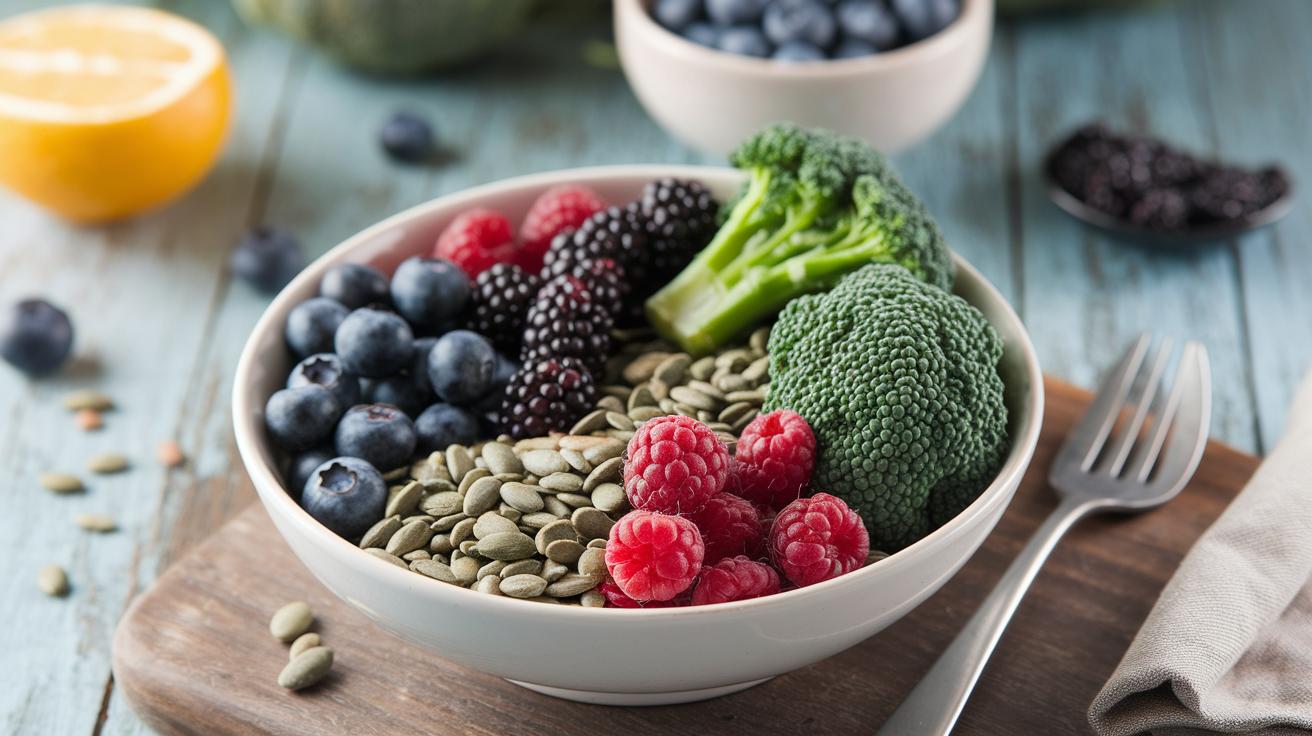
Nutrient-dense foods are chosen for their powerful blend of vitamins, antioxidants, enzymes, and healthy fats. These ingredients help keep your digestion running smoothly, boost your immune system, and give you steady energy. They also bring prebiotics and probiotics to the table, which help maintain a balanced gut and promote overall wellness.
| Food Group | Top Examples | Key Nutrients |
|---|---|---|
| Antioxidant Fruits & Veggies | Berries, kale, broccoli | Vitamin C, polyphenols |
| Fermented Foods | Yogurt, kimchi, kefir | Probiotics, enzymes |
| Prebiotic Plants | Garlic, onions, bananas | Inulin, resistant starch |
| Healthy Fats | Flaxseed, walnuts, chia | Omega-3 fatty acids |
| Green Superfoods | Spirulina, wheatgrass | Phytonutrients, chlorophyll |
Along with these groups, other nutrient-rich foods can add extra benefits to your diet. Bone broth, for instance, is full of collagen and minerals that might keep your joints comfortable and your skin healthy. Herbs and spices like turmeric, ginger, and cinnamon not only enhance flavor but also deliver antioxidants and natural enzymes. A simple spoonful of bone broth in your soup or a sprinkle of spices on veggies can make a big difference. Rotating your ingredients daily gives you a broader mix of vitamins and naturally occurring compounds that support well-being and may help ward off illness. Fresh, quality foods every day can boost your energy, improve digestion, and support lasting health.
Mechanisms Behind Functional Foods’ Health Actions
Functional foods pack natural, bioactive compounds that work right at the cell level to boost your health. These key nutrients, like polyphenols, probiotics, prebiotic fibers, omega-3 fatty acids, and enzymes, act in different ways. For instance, polyphenols help clear out harmful free radicals, while probiotics support the good bacteria in your gut. Prebiotic fibers break down into short-chain fatty acids that nourish your intestines, and omega-3 fatty acids ease inflammation. Enzymes, meanwhile, help your body absorb vital nutrients. Together, these elements promote better gut health, smoother metabolism, less inflammation, and stronger infection defense.
| Action | Key Component |
|---|---|
| Scavenging free radicals | Polyphenols |
| Modulating gut bacteria | Probiotics |
| Producing short-chain fatty acids | Prebiotic Fibers |
| Reducing inflammation | Omega-3 Fatty Acids |
| Enhancing nutrient absorption | Enzymes |
When these compounds work together, they boost each other’s benefits. This teamwork leads to better digestion, an efficient metabolism, and a strong immune system. The combined effect of these bioactive elements not only supports the cells but also lays a solid foundation for long-term wellness. Each bite of functional food adds up to help your body stay balanced and vibrant.
Research Evidence Linking Functional Foods to Disease Prevention

Recent expert-checked studies suggest that eating functional foods in a balanced diet may cut your risk of heart disease and boost your body’s overall health. Diets high in fiber and omega-3 fatty acids (healthy fats found in fish and some seeds) are connected to fewer signs of inflammation, which in turn help keep cholesterol levels in check and lower stress on the heart. Experts also say that these whole foods improve nutrient absorption and help keep your metabolism steady, playing a key role in protecting your heart and guarding against long-term illness.
Other research points out that functional foods might also lower the risk of some cancers and keep your mind sharp. For example, high-antioxidant foods such as berries and leafy greens help fight the oxidative stress that can lead to cancer. Some studies even show that the natural anti-inflammatory compounds in these foods can ease joint discomfort and support brain health.
More research is needed to pin down the best amounts and combinations of these foods. Ongoing studies will help shape clear, practical dietary guidelines so you can enjoy consistent, long-lasting health benefits.
Practical Strategies for Adding Functional Foods to Your Diet
Making small changes in your eating habits can bring big health benefits. You don't have to change everything overnight. Instead, try filling half your plate with fresh vegetables and fruits to add vitamins, minerals, and other good-for-you elements to your meals.
- Start your day with a berry-spinach smoothie that wakes up your taste buds.
- Swap out refined grains for whole-grain options like brown rice or whole-wheat bread.
- Enjoy a serving of fermented food (like yogurt or kimchi) at lunch or dinner to help keep your digestion on track.
- Keep a small bag of nuts or seeds in your bag for a quick, healthy snack.
- Sprinkle your food with spices such as turmeric, ginger, and cinnamon to boost flavor and nutrition.
- Take a break with a cup of green or black tea between meals for a light, refreshing lift.
- Add bone broth to soups and stews for extra nourishment and a rich, savory taste.
Switching up your food choices keeps your meals interesting and offers a mix of nutrients that support many parts of your health. These tweaks help boost your immune system, aid digestion, support joint comfort, and even keep your mind sharp. Try these ideas to build meal plans that are both smart and satisfying every day.
Ensuring Quality, Safety, and Sustainable Sourcing of Functional Foods

Clear labeling and trusted certifications play a key role when choosing functional foods. Look for packaging that explains third-party testing and accurate nutrient details. When products show organic or non-GMO labels, they are less likely to contain unwanted contaminants. Reliable studies back up these certifications, making sure both standard and modified foods meet strong safety rules. This clear information builds trust and helps you feel confident about your food choices.
Choosing sustainable and organic options is a smart move. Mindful sourcing helps avoid changes in nutrient levels that can come from supply-chain issues. You can find verified products on trusted online markets like https://matpple.com?p=683. When food carries clear, certified information, you can enjoy balanced nutrition while supporting eco-friendly practices.
Final Words
In the action, the post mapped out how functional foods pack extra nutrients to boost digestion, immune strength, brain power, and heart health. It broke down food groups like fermented picks, leafy greens, and whole grains while explaining how these elements work together in our bodies.
The coverage tied science to smart shopping and everyday cooking. This approach leaves room to experiment and enjoy the health benefits of functional foods while making in-home meals both tasty and nourishing. Enjoy the flavorful edge these foods bring to your table.
FAQ
What are the potential benefits of functional foods, including nutraceuticals?
The potential benefits of functional foods include supporting immune response, boosting gut health, promoting heart function, and providing antioxidant defenses. They deliver extra nutrients beyond basic ones to strengthen overall body wellness.
What are some examples of functional foods and their benefits?
Functional foods such as berries, leafy greens, yogurt, garlic, and nuts boost antioxidant levels, support digestion with probiotics, and provide healthy fats and fibers—all of which contribute to enhanced heart and gut health.
How are functional foods classified or grouped into categories?
Functional foods are grouped by their bioactive components, such as antioxidant-rich fruits and vegetables, fermented products, prebiotic plants, and healthy fats. These categories help to target specific areas of health like digestion, immunity, and cardiovascular support.
What does research say about functional foods and their health effects?
Research shows that diets rich in functional foods can reduce inflammation, improve digestion, and lower chronic disease risks. Studies highlight that bioactive compounds in these foods play a key role in promoting long-term health.
Are there any downsides to eating functional foods?
While functional foods are beneficial, relying solely on fortified products might lead to an unbalanced nutrient intake. They are best included as part of a varied diet to cover all essential nutritional needs.
What are considered the top 5 functional foods?
The top functional foods typically include berries, leafy greens, yogurt, garlic, and nuts. These items are favored for their antioxidant properties, probiotic content, healthy fats, and vital nutrients that support overall health.